

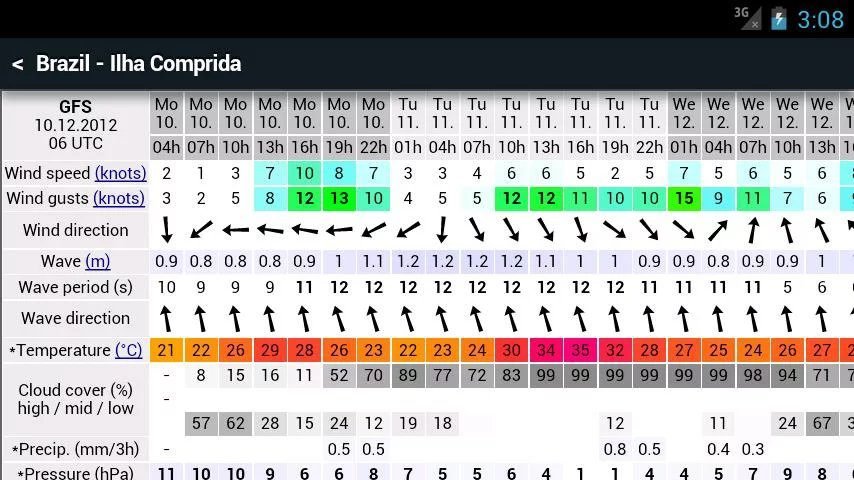
If you’ve ever checked a surf forecast, you’ve probably come across terms like:
- Swell
- Swell size
- Swell direction
- Swell period
But what do they actually mean?
Understanding swell is one of the most important steps in learning how waves work and making better decisions before entering the water.
What Is Swell?
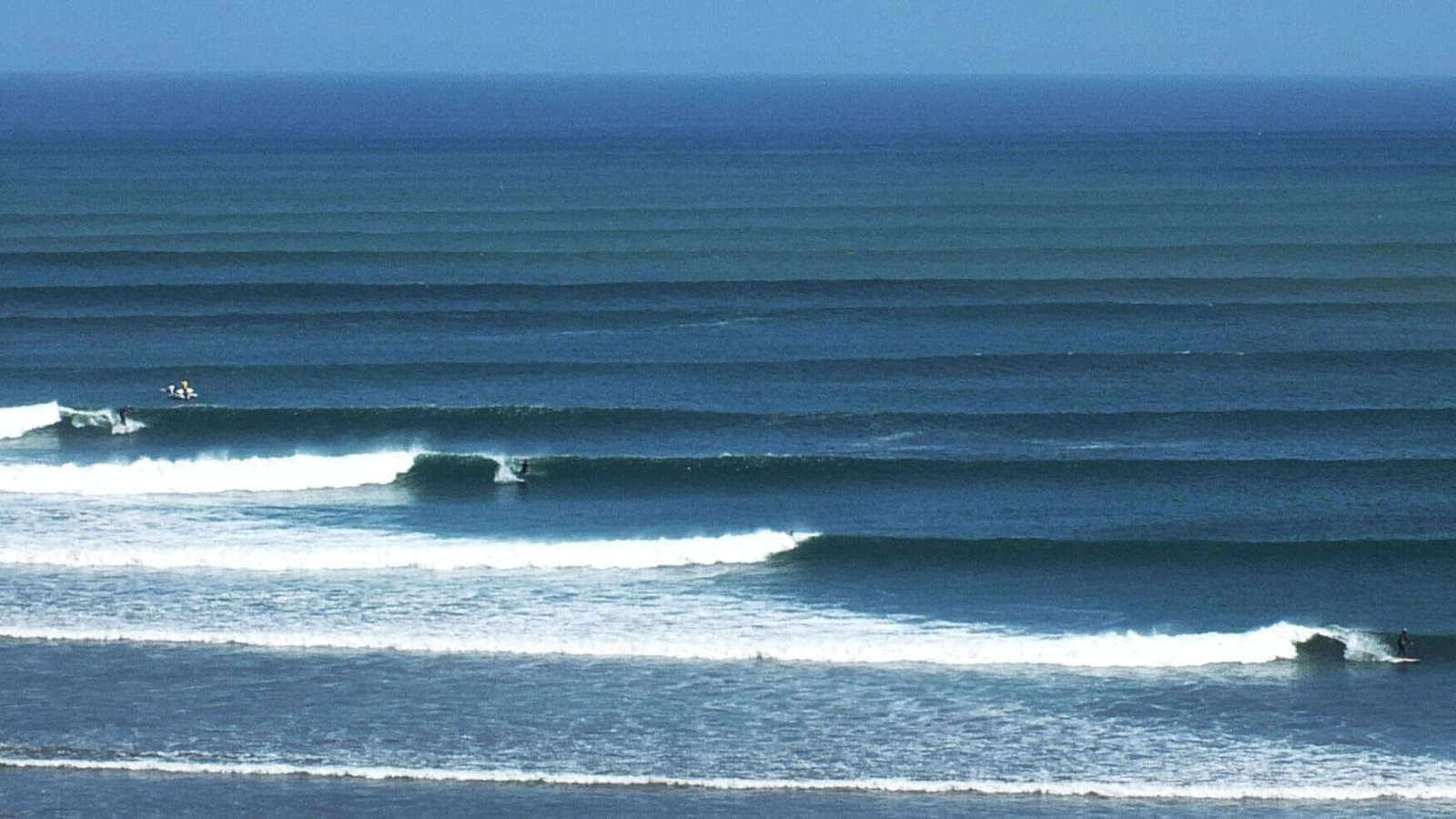
Swell is the energy that travels across the ocean after being generated by wind.
When wind blows over a large area of water for a long enough period, it transfers energy to the ocean.
That energy can travel thousands of miles before reaching the coastline and creating surfable waves.
In simple terms:
Swell is the source of the waves we surf.
How Is Swell Created?
For a consistent swell to form, three key factors are needed:
1. Strong Wind
The stronger the wind, the more energy it transfers to the ocean.
2. Duration
The wind needs to blow consistently for several hours or even days.
3. Fetch
Fetch is the distance over which the wind blows across the water.
The greater the fetch, the more powerful the swell can become.
Why Is Swell Important for Surfing?
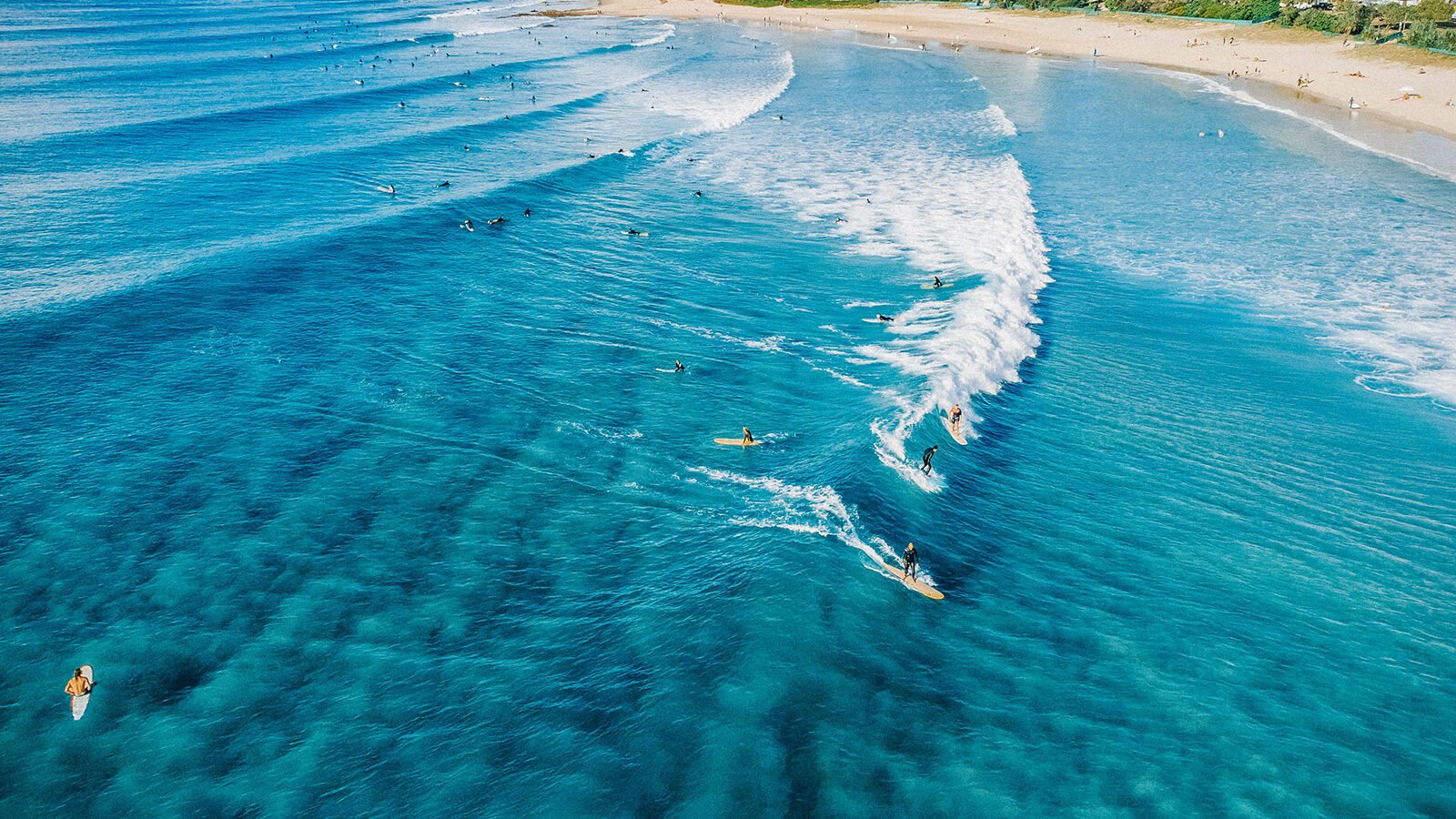
Without swell, there are no waves.
The quality of the swell influences:
- Wave size
- Wave power
- Wave consistency
- The overall quality of a surf session
That’s why surfers always check the forecast before heading to the beach.
Swell Size
Swell size refers to the height of the ocean energy traveling toward the coast.
Generally speaking:
- Small swell = smaller waves
- Large swell = larger waves
However, swell size alone doesn’t tell the whole story.
Swell Direction
Swell direction tells you where the swell is coming from.
For example:
- North
- Northwest
- West
Different surf spots work better with different swell directions.
That’s why one beach can have excellent waves while another nearby spot remains flat.
Swell period
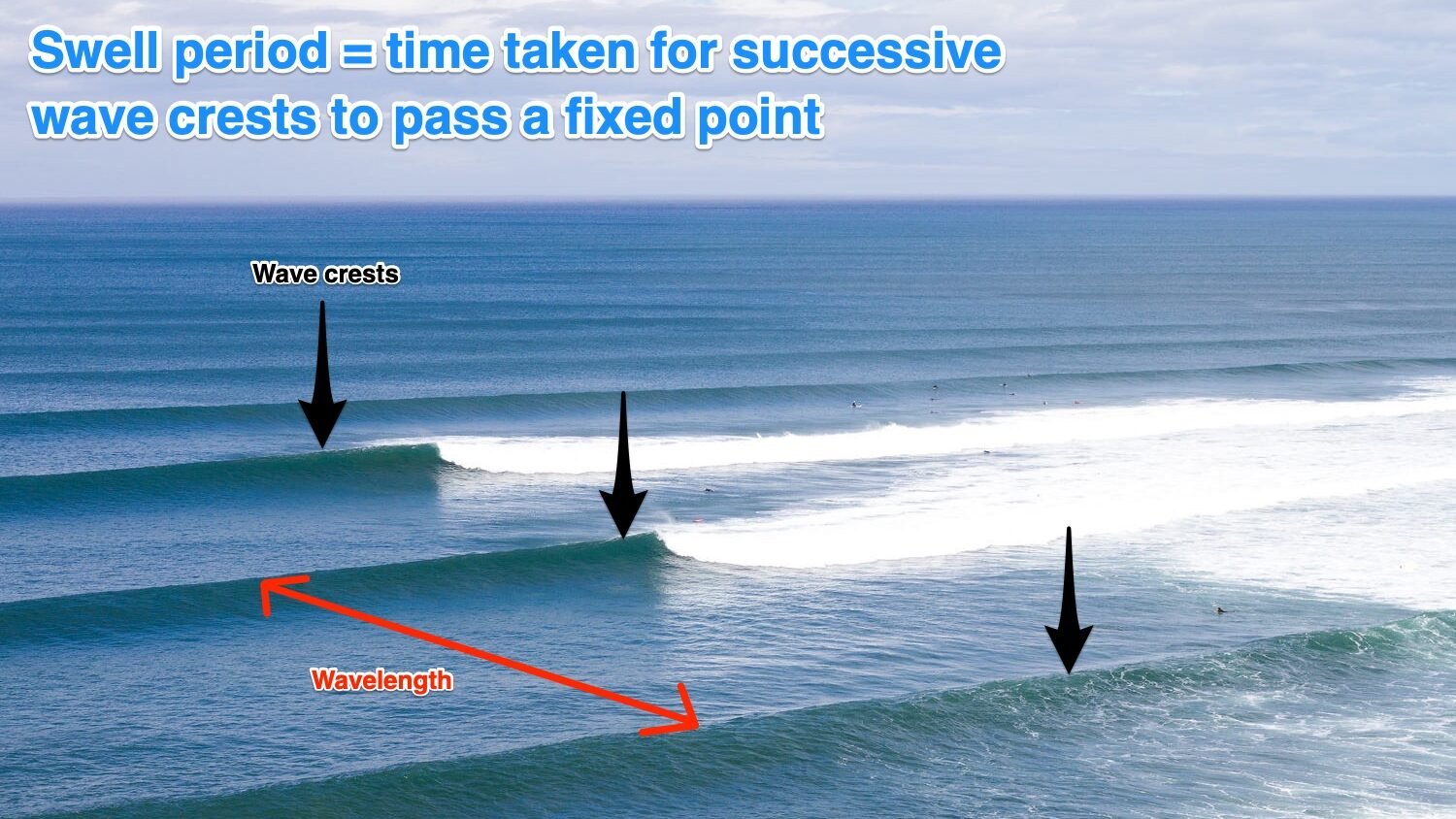
The swell period measures the time between waves, expressed in seconds.
- Short (6–8 seconds)
- Less energy
- Weaker waves
- Less consistent conditions
- Medium (9–12 seconds)
- Good conditions for most surfers
- Large (13+ seconds)
- More energy
- More powerful waves
- Better-defined wave sets
Many experienced surfers consider swell period one of the most important parts of a surf forecast.
How Does Swell Affect Beginners?
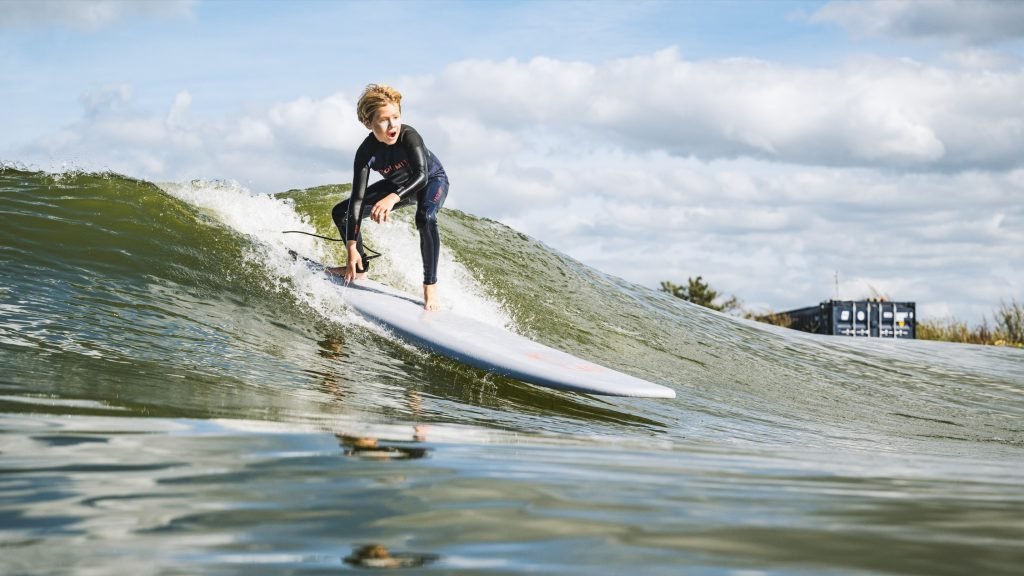
For beginner surfers:
Moderate swells are usually ideal
Smaller, consistent waves are easier to learn on
Less power means more control and confidence
This is why surf schools carefully select beaches and conditions for their lessons.
Swell, Wind, and Tide: The Perfect Combination
Swell is only one part of the equation.
Wave quality also depends on:
- Wind direction
- Wind strength
- Tides
A great swell can still produce poor surfing conditions if the wind is unfavorable.
That’s why it’s helpful to understand what wind is best for surfing and what tide is best for surfing as well.
If you need help read our post https://www.southcoastsurfschool.com/what-wind-is-best-for-surfing/
How to Check Swell Before Surfing
Before every surf session, check:
- Swell size, direction, period, wind and tide
Over time, you’ll learn how these factors work together and how they affect your local surf spots.
But for more info you can read our post https://www.southcoastsurfschool.com/what-is-the-best-tide-for-beginner-surfers/
Learning to Understand Swell
At first, surf forecasts can seem confusing.
But the more time you spend observing the ocean and comparing forecasts with real conditions, the easier it becomes.
Many beginners learn much faster during surf lessons in Gran Canaria, where instructors explain swell, wind, and wave conditions directly on the beach.
Final Thoughts
Swell is the energy that creates the waves we surf.
Understanding:
Swell size, direction and period
Will help you:
- Choose better days to surf
- Understand surf conditions
- Progress faster
- Stay safer in the water
The better you understand swell, the better you’ll understand the ocean.