

If you’re a beginner, you’ve probably heard surfers talk about the wind: offshore, onshore, glassy conditions… But what does it really mean? And more importantly: What’s the best wind for surfing?
The short answer is:
Offshore wind is the best for clean, surfable waves.
But let’s break it down so you really understand why.
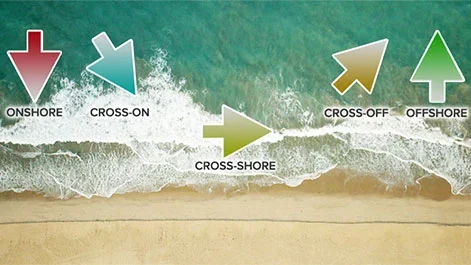
How Wind Affects Waves
Wind plays a huge role in shaping waves.
it can:
- Make waves clean and well-formed
- Turn waves messy and hard to surf
- Completely change the quality of a session
Even with good swell, bad wind can ruin the surf.
Offshore Wind (The Best Conditions)
Offshore wind blows from the land toward the ocean.
Why it’s ideal:
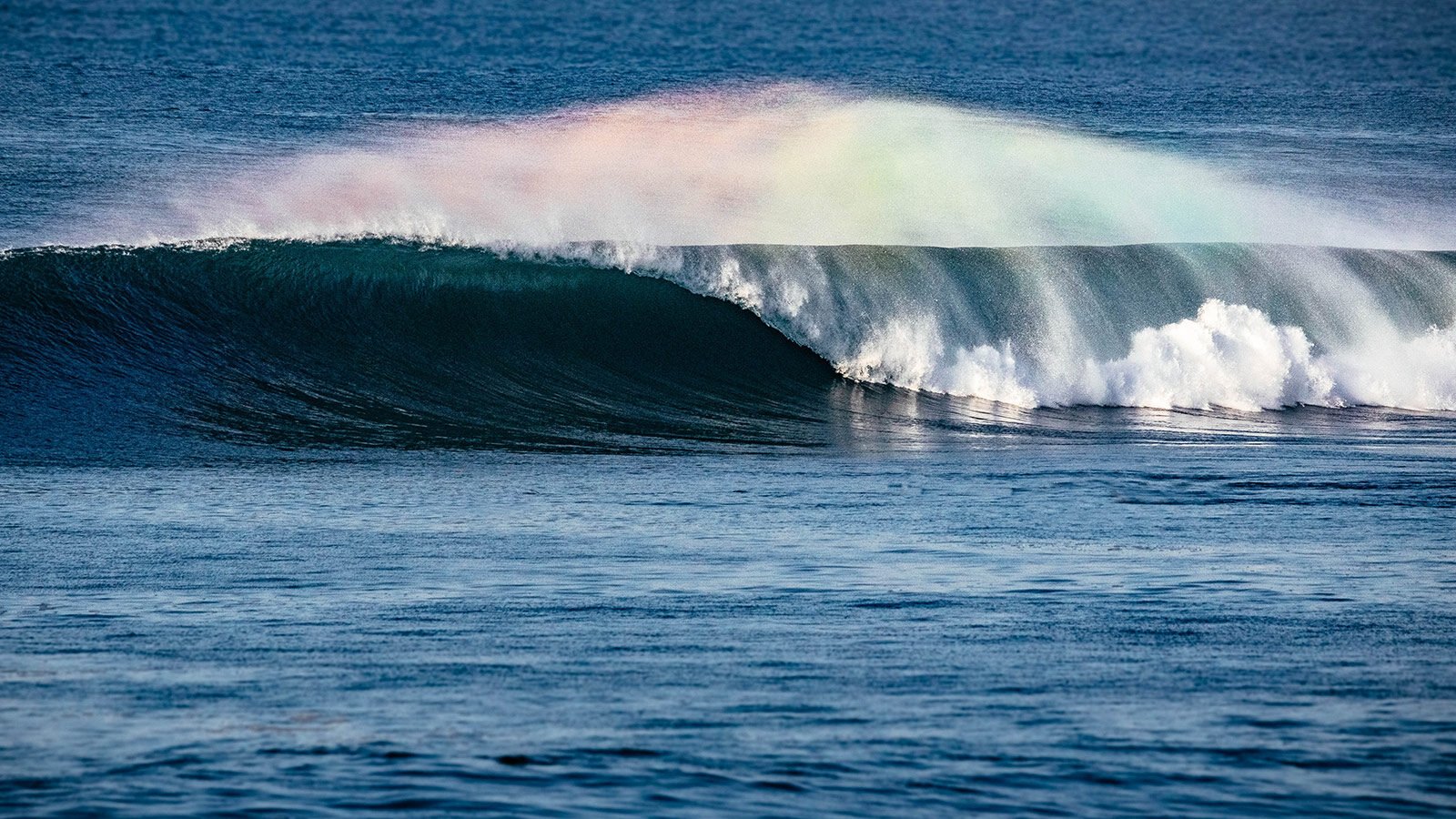
✔ Keeps waves clean and smooth
✔ Helps waves hold their shape
✔ Creates longer, more rideable waves
This is what surfers usually look for.
Clean, organized waves = better surfing.

Onshore Wind (Messy Conditions)
Onshore wind blows from the ocean toward the land.
What happens:
Waves become choppy
❌ Less defined shape
❌ Harder to catch and ride
For beginners, this can make learning much more difficult and frustrating.
Cross-Shore Wind (Somewhere in Between)
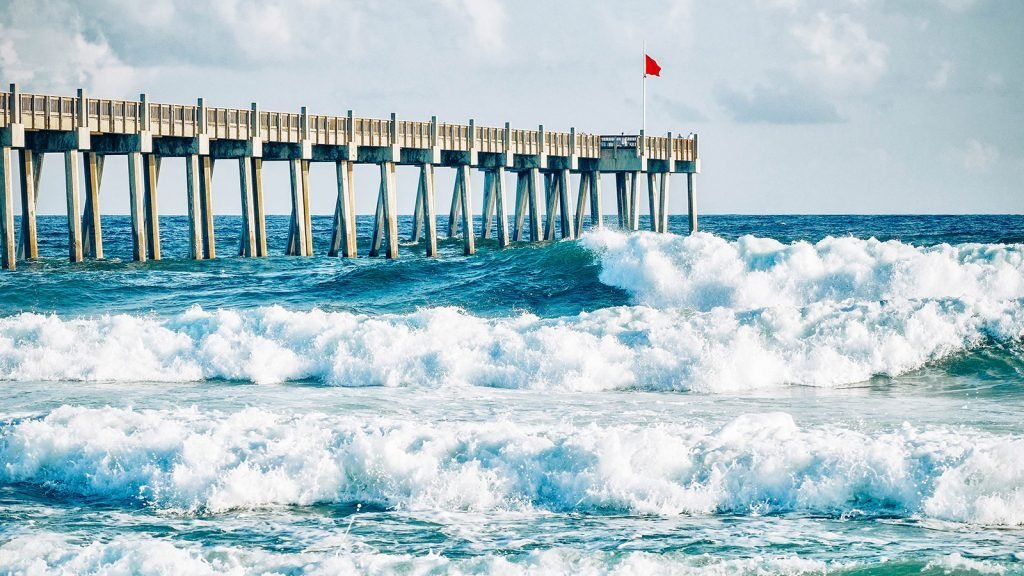
Cross-shore wind blows sideways along the coast.
Result:
- Mixed conditions
- Sometimes surfeable
- Depends on spot and strength
Not ideal, but not always bad either.
What Wind Is Best for Beginners?
For beginners, the best conditions are:
✔ Light offshore wind
✔ Or no wind at all (glassy conditions)
These conditions make waves:
- Easier to read
- Easier to catch
- Safer to practice
That’s why many beginners prefer surfing in the south of Gran Canaria, where conditions are often more manageable.
What About No Wind?
No wind (glassy conditions) is often perfect:
- Smooth surface
- Clean waves
- Great visibility
This is ideal for learning and building confidence.
Why Wind Matters More Than You Think
Many beginners focus only on wave size.
But in reality:
👉 Wind quality is just as important as wave height.
Small clean waves are much better than bigger messy ones.
How to Choose the Right Conditions
If your starting:
Check wind direction
Avoid strong onshore wind
Look for calm or light offshore conditions
Ask local instructors
This is where experience makes the difference.

Learning in the Right Conditions
Choosing the right conditions is key to progressing faster.
That’s why many beginners start with surf lessons in Maspalomas, Gran Canaria, where the instructors:
- Check wind daily
- Choose the best spot
- Adapt sessions to conditions
If you practice Surf Maspalomas often adjusts to the conditions depending on the day.
Final Thoughts
So, what wind is best for surfing?
✔ Offshore wind = best
✔ No wind = excellent
✔ Onshore wind = avoid if possible
Entender el viento es uno de los primeros pasos para convertirte en un mejor surfista.
Understanding wind is one of the first steps to becoming a better surfer.