

“The best tide for beginner surfers is usually mid-tide, because it offers safer and more consistent waves.”
If you’re starting to surf, you’ve probably heard people talking about tides:
Low tide, high tide, mid-tide… But what does it really mean?
Let’s break it down so you really understand it.
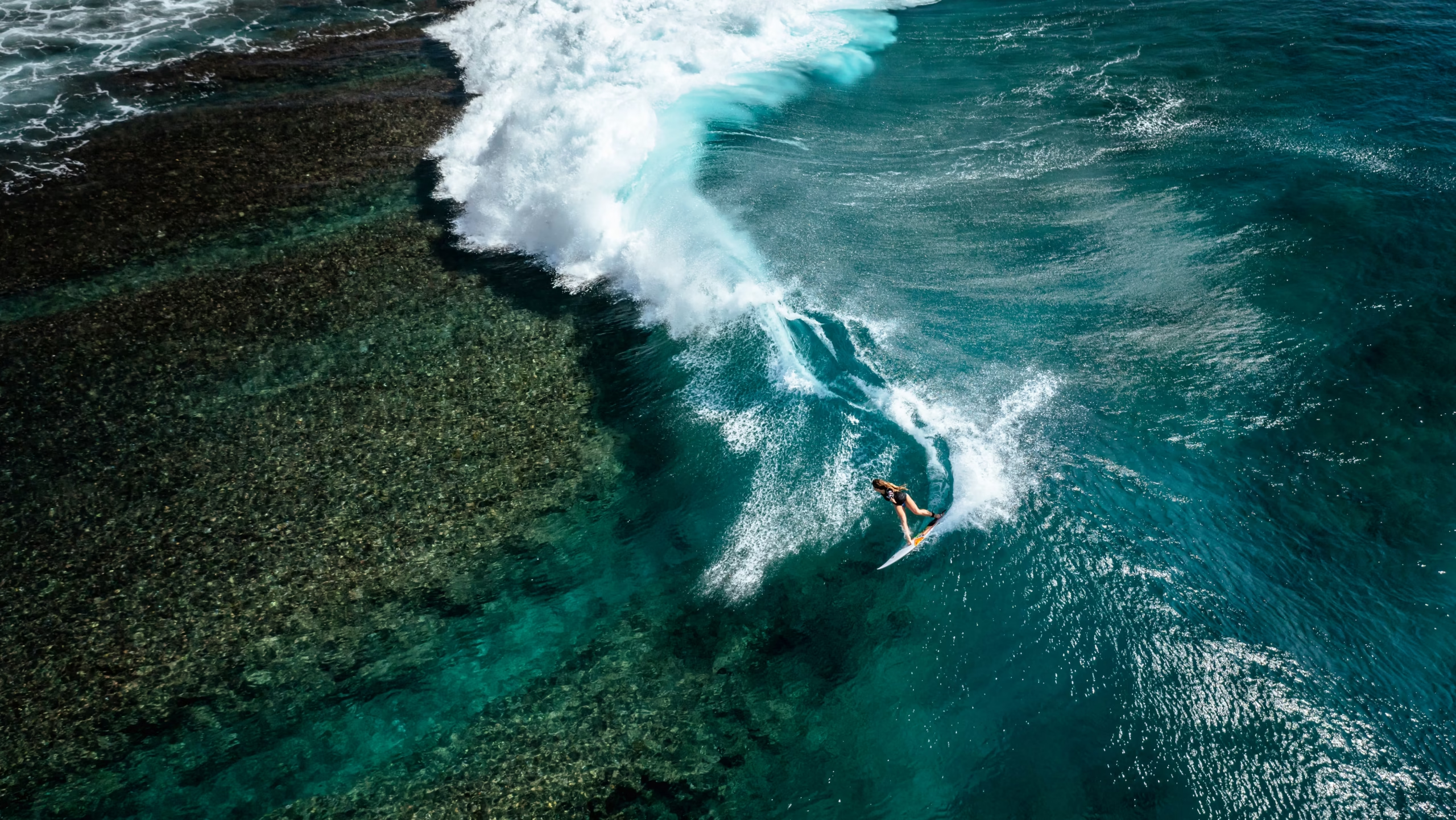
How Tides Affect Waves
Tides change the water depth in the ocean.
And that directly affects how waves break.
Depending on the tide, waves can:
- Break gently or suddenly
- Be slow and soft or fast and powerful
- Be safe… or much more dangerous
Even with good swell and wind, the wrong tide can make conditions difficult.
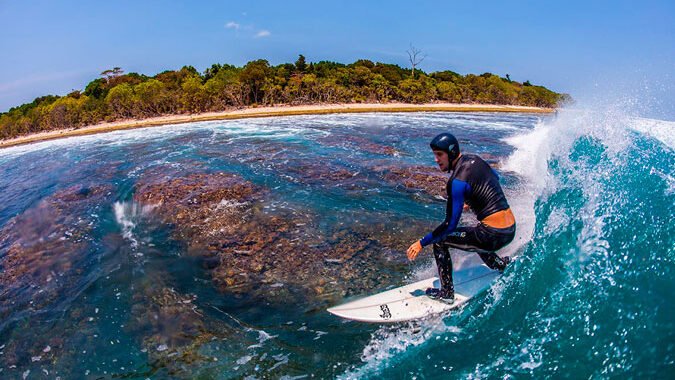
Low Tide (More Exposed and Powerful)
Low tide means less water covering the ocean floor.
What happens:
❌ Waves can break faster and harder
❌ Sandbanks and rocks are more exposed
❌ Wipeouts can be more dangerous
For beginners, this can be tricky — especially in shallow spots.
High Tide (Slower but Sometimes Fat)
High tide means deeper water.
What happens:
✔ Waves are usually softer
✔ Breaking is slower
❌ Sometimes waves don’t break well (too “fat”)
This can be good for learning… but not always ideal if waves lose shape.
Mid Tide (The Sweet Spot)
Mid tide is when the tide is moving between low and high.
👉 This is often the best condition for beginners.
Why?
✔ Waves break more consistently
✔ Better shape than high tide
✔ Less aggressive than low tide
✔ Safer water depth
This balance makes it much easier to learn and progress.
Why the Best Tide Depends on the Spot
Not all surf spots work the same way.
Some beaches work better at:
- Low tide
- High tide
- Or only during a specific tide window
That’s why local knowledge is so important.
In places like the south of Gran Canaria, many beaches are more forgiving and offer good conditions across different tides — especially for beginners.
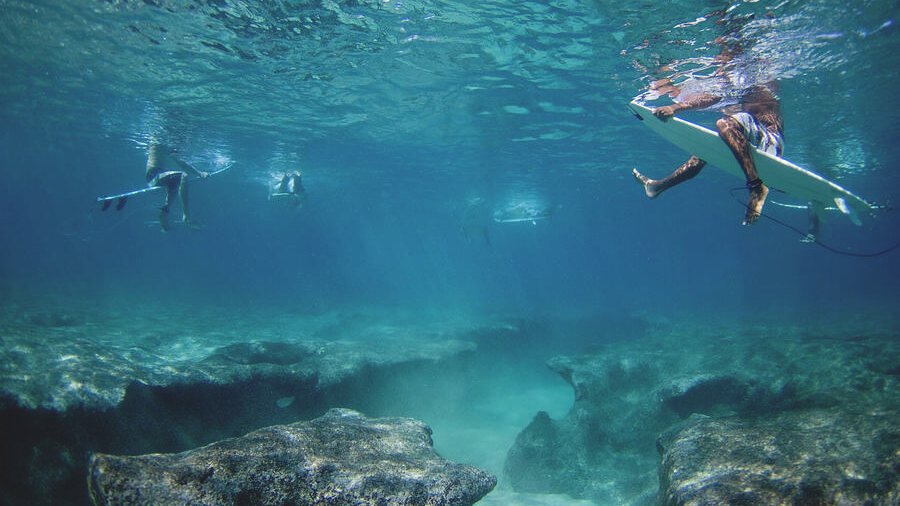
What Is the Best Tide for Beginners?
If you’re just starting, aim for:
✔ Mid tide (best option)
✔ Small to medium waves
✔ Light wind or offshore wind
These conditions make waves:
- Easier to catch
- More predictable
- Safer to practice
Why Tides Matter More Than You Think
Many beginners only look at wave size.
But in reality:
👉 Tide can completely change how a wave behaves.
A spot that is perfect at mid tide…
can become difficult or even dangerous at low tide.
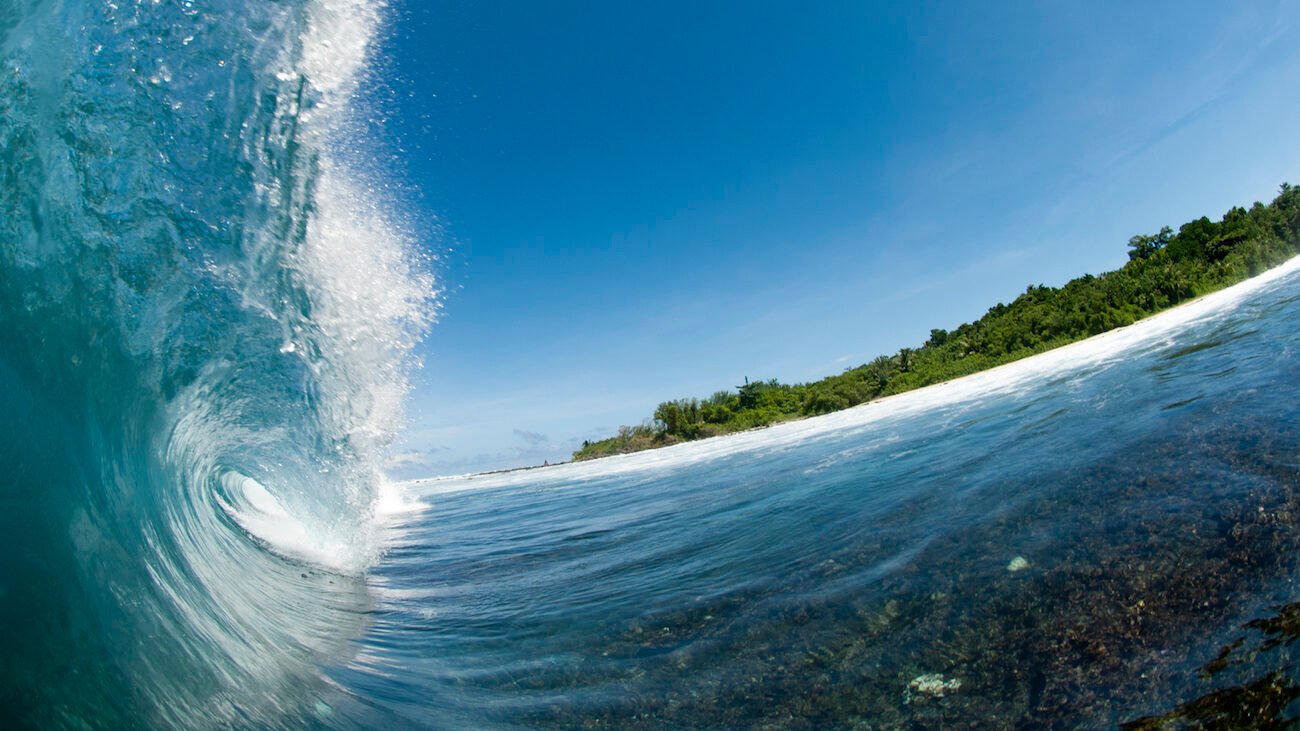
How to Choose the Right Time to Surf
Before going into the water:
✔ Check the tide chart in https://www.windguru.cz
✔ Ask local surfers or instructors
✔ Avoid extreme low tide if you’re unsure
✔ Combine tide + wind + wave size
👉 Surfing is all about reading conditions, not just showing up.
Learning in the Right Conditions
Choosing the right tide can make a huge difference in your progress.
That’s why many beginners take surf lessons in Maspalomas, where the instructors:
- Track tides daily
- Choose the best time to surf
- Adapt the session to the conditions
👉 This helps you improve faster and avoid frustration.
Final Thoughts
So, what is the best tide for surfing?
✔ Mid tide = best for beginners
✔ High tide = sometimes good
✔ Low tide = more advanced conditions
Understanding tides is a game changer when learning to surf.
The more you understand it, the better your sessions will be.