

When you’re sitting on your surfboard waiting for the next set, it can seem like that wave simply appears on the horizon, but in reality, that wave may have started forming hundreds or even thousands of kilometers away and it is what we call the Journey of a Surf Wave
Behind every wave we surf lies a story of wind, storms, energy, and ocean.
A wave that reaches the beach may be the final result of a journey that began far away.
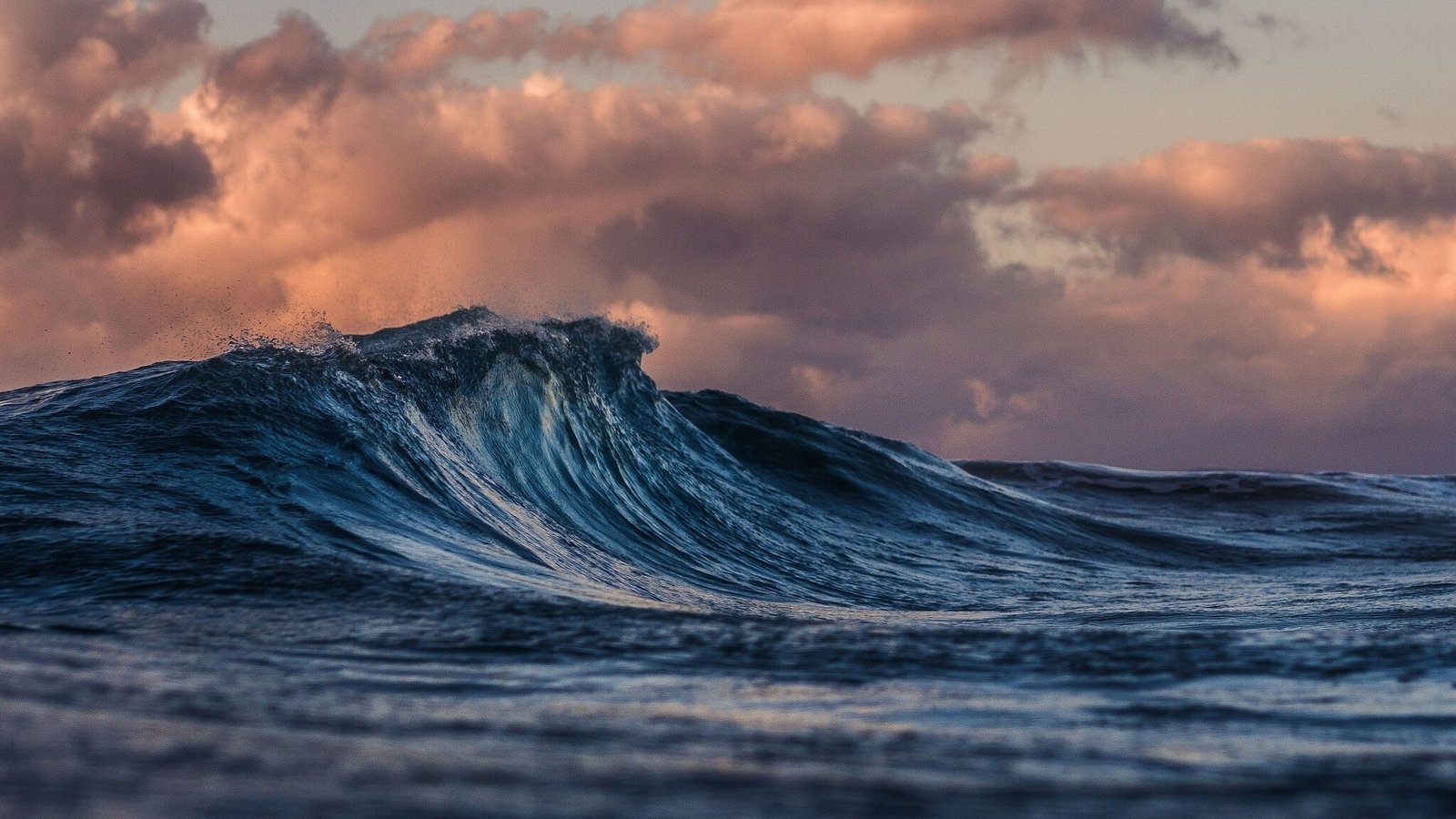
1. It All Starts with the Wind
To understand where waves come from, we first need to talk about wind.
When wind blows across the surface of the ocean, it transfers energy to the water.
The stronger the wind, the longer it blows, and the larger the area of water it blows across, the more energy can accumulate in the ocean.
This area where the energy is generated is known as the fetch.
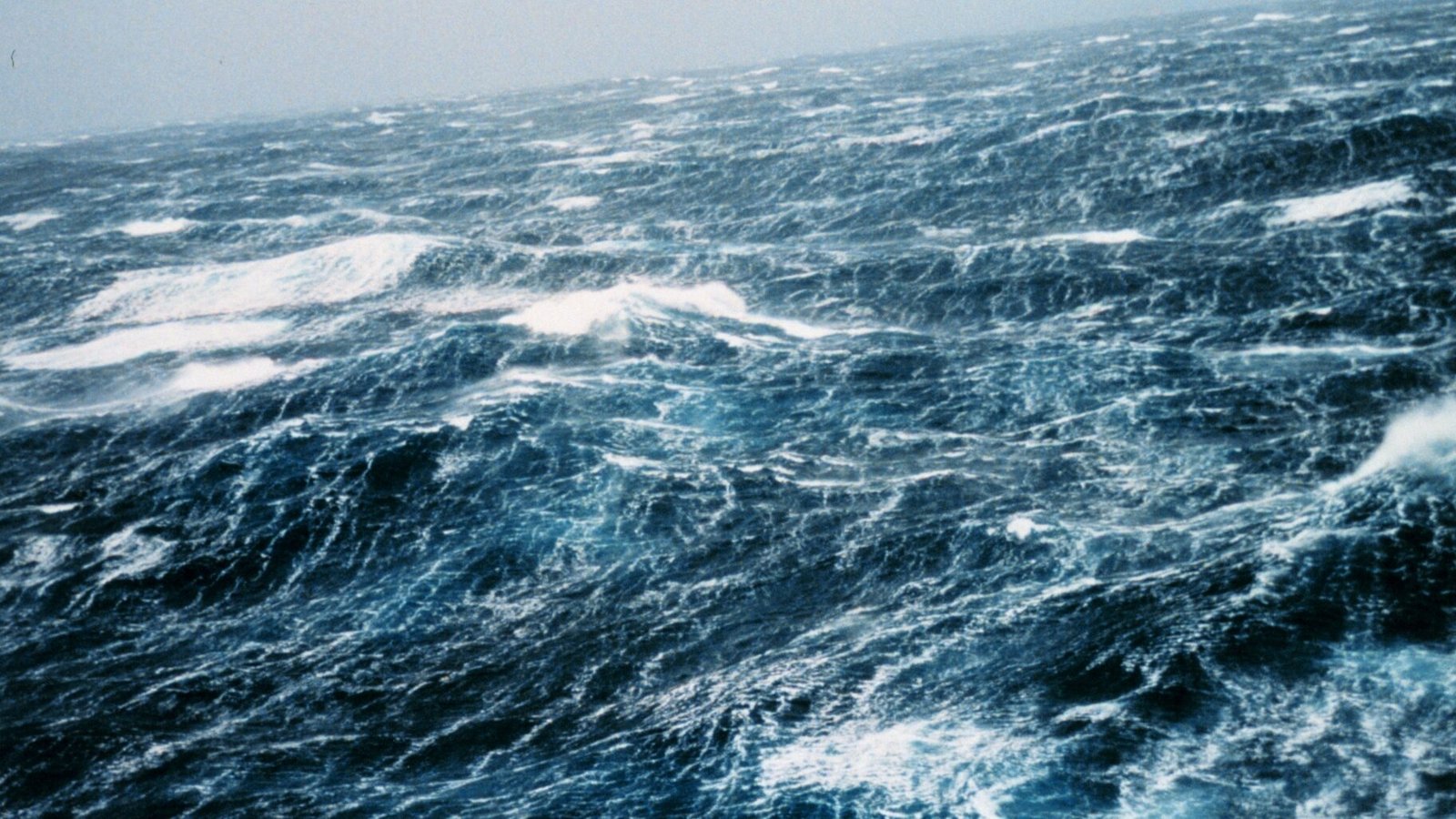
2. A Storm Can Create the Swell
Large ocean storms can generate enormous amounts of energy.
At first, the sea may look chaotic, with waves moving in different directions.
But as the energy becomes organized, some of these waves begin to form a more defined swell, which can then leave the area where it was generated and begin traveling across the ocean.
3. The Energy Can Travel Thousands of Kilometers
One of the most fascinating things about surfing is that the storm that generates the swell does not have to be anywhere near the beach where you are surfing.
Swell energy can travel enormous distances across the ocean, which is why it is possible to have good waves on a coastline even when the local weather is calm.
You can be enjoying a sunny day with almost no wind while the waves reaching the beach were generated by a weather system very far away.
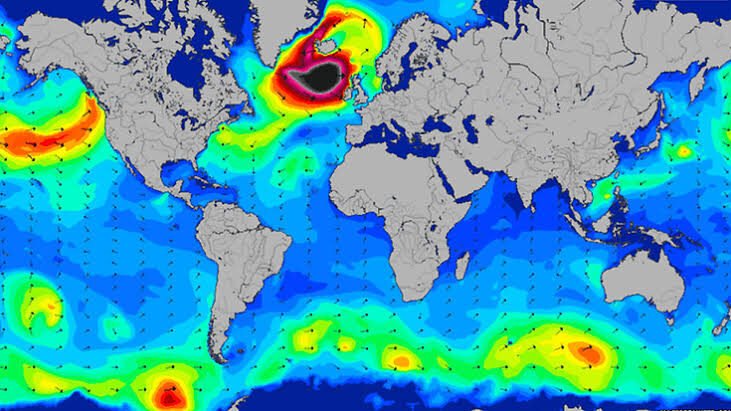
4. It’s Not the Water That Travels Thousands of Kilometers
There is an important distinction here.
When we say that a wave travels thousands of kilometers, it does not mean that the same amount of water is traveling from the storm all the way to the beach.
What mainly propagates across the ocean is the energy of the wave.
Water particles move in orbital patterns while the wave energy travels forward, which is why we can think of a swell as a kind of energy message moving across the ocean.
5. The Swell Reaches the Coast
As the swell travels through deep water, it can cover enormous distances.
But as it approaches the coast, something fundamental happens: the ocean floor begins to become shallower.
The interaction between the wave and the seafloor causes the wave to:
- Slow down
- Increase in height
- Decrease in wavelength
- Concentrate its energy
This process is known as shoaling.
And this is where the wave we recognize as surfers begins to take shape.
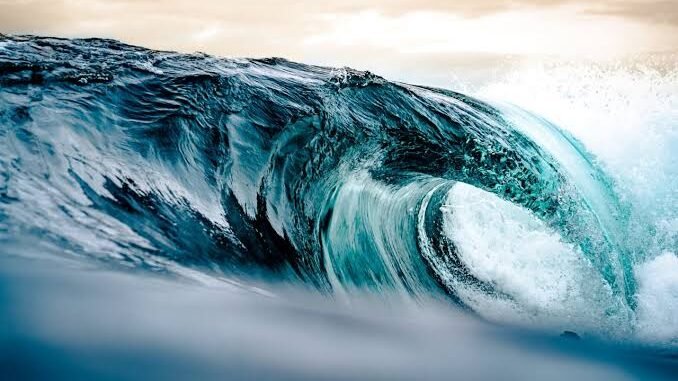
6. The Seafloor Determines How the Wave Breaks
A swell alone does not determine exactly what the wave will look like. The shape of the seafloor plays an enormous role.
Depending on whether the swell reaches a sandbank, reef, point, or rocky coastline, the wave can take completely different forms: A long, clean wall, a fast, powerful wave, or a wave that closes out abruptly.
This is why two relatively nearby beaches can have completely different conditions with the same swell.
7. Swell Direction Also Matters
Not all swells arrive from the same direction.
One surf spot may work very well with a west swell, while another needs energy from the northwest or north.
That’s why, when you look at a surf forecast, you may see information such as:
Swell: WNW
This indicates the direction from which the swell energy is arriving, while the orientation of the beach determines how much of that energy it can receive.
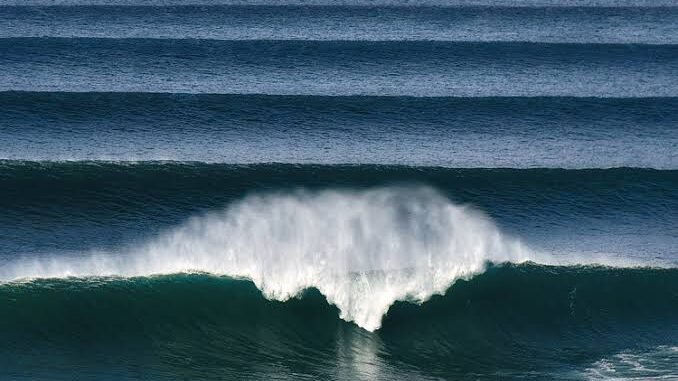
8. Why Do Some Waves Arrive in Sets?
If you’ve ever been sitting in the water waiting for a wave, you’ve probably noticed something:
For a while, nothing may happen, and then suddenly…
Several waves arrive one after another!
This happens because the waves that make up the swell do not always arrive perfectly separated. Instead, they organize themselves into groups known as sets.
Understanding sets can help you position yourself better and make the most of the best waves.
9. Do All Waves Come from Distant Storms?
No, and this is an important distinction.
Waves can be generated by different types of wind and weather systems.
We can find:
Long-distance swell: generated by distant storms and capable of traveling great distances.
Nearby swell: generated relatively close to the coastline.
Wind swell: generated by local wind, usually with shorter periods and less organized waves.
So, not every surf session depends on a storm located thousands of kilometers away.
If you want to learn more about the swell visit https://www.southcoastsurfschool.com/what-is-swell-and-why-is-it-so-important-for-surfing/
What Does All of This Mean for a Surfer?
Understanding how waves are born completely changes the way you look at a surf forecast.
Instead of simply seeing 1.2 m — 12 seconds — WNW, you can start to understand what it actually means.
There is energy traveling across the ocean, reaching a particular coastline, where the seafloor modifies its movement and eventually… it becomes the wave you see in front of you.
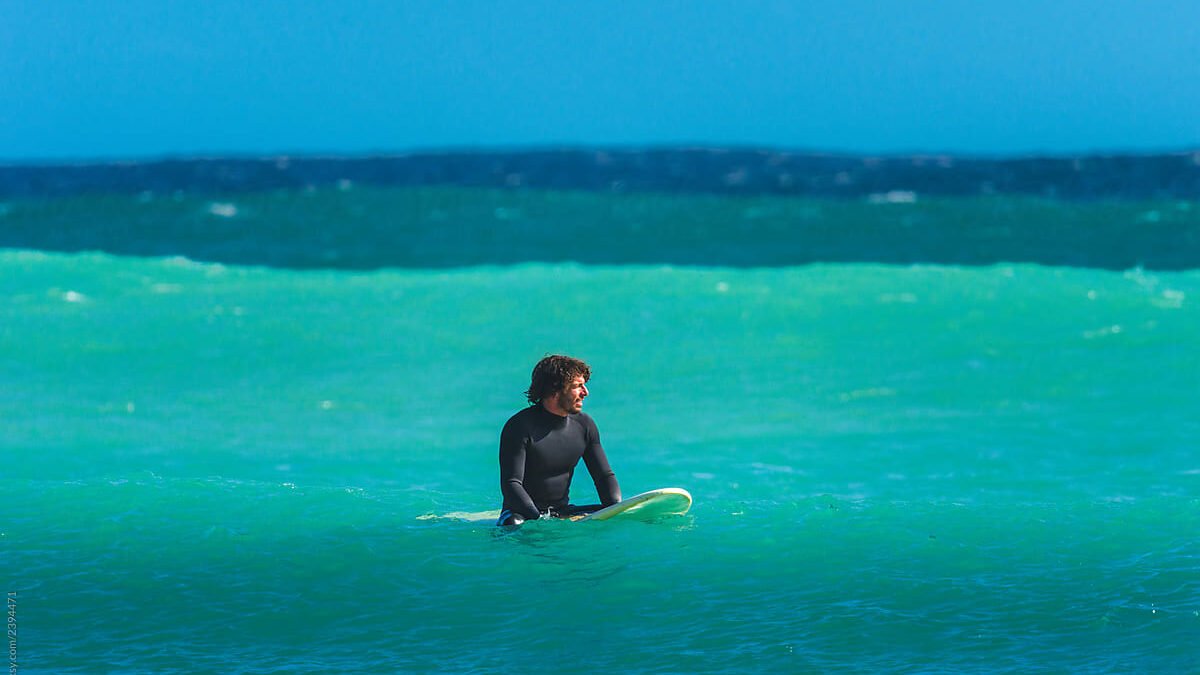
The next time you’re sitting on your surfboard waiting for a set, think about this:
The wave you’re waiting for may have started forming long before and far away from where you are now.
Conclusion
The waves we surf are the result of an enormous natural system that connects wind, storms, the ocean, and the coastline.
Understanding where waves are born and how they travel helps you better interpret swell, surf forecasts, and ocean conditions.
And the more you understand what is happening in the ocean, the easier it becomes to know when, where, and how to surf.