

One of the biggest frustrations when learning to surf is feeling like you want to catch more waves
The good news is that catching more waves usually isn’t about strength or fitness.
Most of the time, it’s about positioning, timing, and technique.
Here are the key things you can do to start catching more waves during your very next surf session.
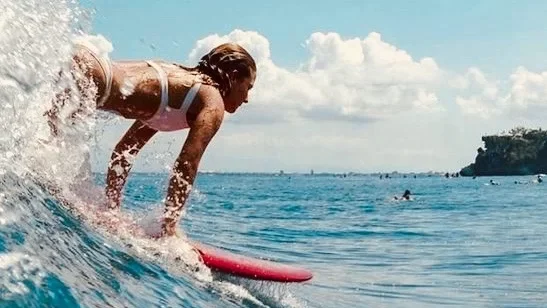
1. Improve Your Positioning
The most common beginner mistake is sitting too far away from where the waves are breaking.
If you’re in the wrong spot:
You’ll paddle harder, you’ll arrive late, you’ll miss many opportunities
Before worrying about paddling harder, make sure you’re positioned correctly.
Experienced surfers often catch more waves simply because they sit in the right place.

2. Watch the Ocean Before You Paddle Out
Spend 5–10 minutes observing the surf before entering the water.
Where the waves break, how many waves come in a set, or where the other surfers are waiting.
This simple habit can dramatically improve your wave count.
Learning to read the ocean is just as important as learning to stand up on the board.

3. Start Paddling Earlier
Many beginners wait too long before they start paddling.
By the time the wave is right behind you, it’s often too late.
Try:
Turn around earlier, look at the wave in advance, and start paddling gradually.
A little anticipation goes a long way.
4. Improve Your Paddling Technique
Catching waves isn’t only about power.
Good paddling technique includes:
Long strokes, fluid movement, chest slightly raised, gaze forward
Efficient paddling helps you match the speed of the wave more easily.
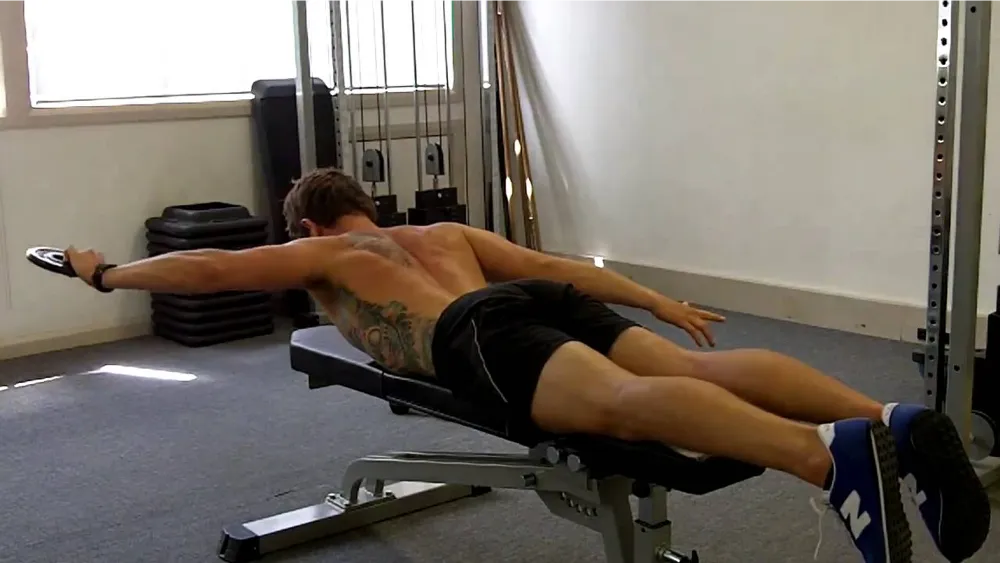
5. Find the Correct Position on Your Board
Board positioning is crucial.
If you’re too far back: The board slows down
If you’re too far forward: The nose may dive underwater
Finding the sweet spot can instantly improve your wave-catching ability.
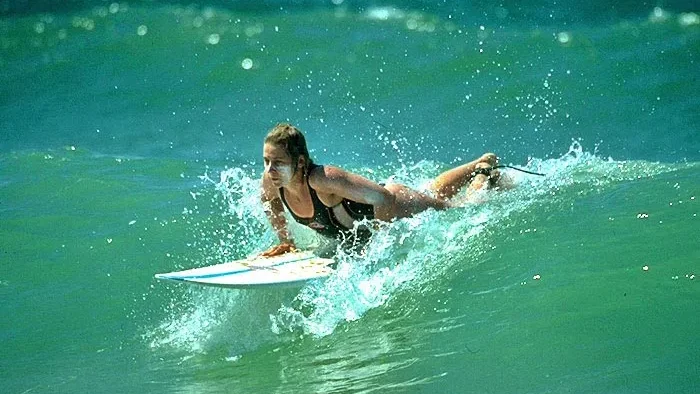
6. Learn to Identify Better Waves
Not every wave is worth chasing.
Look for:
Clean wave faces
Well-shaped waves
Waves that don’t close out immediately
Choosing better waves often leads to more successful rides.
7. Understand How Wave Sets Work
Waves usually arrive in groups called sets.
Surfers who understand this can:
Position yourself better, prepare earlier, and take advantage of the best waves
Learning why waves come in sets is one of the most valuable skills for beginners.

8. Surf Conditions That Match Your Level
Trying to surf waves that are too big often leads to frustration.
To catch more waves:
Look for small, clean waves, avoid strong winds, and choose beaches with sandy bottoms.
https://www.southcoastsurfschool.com/what-wind-is-best-for-surfing/
9. Surf More Often
There is no substitute for time in the water.
The more you surf:
Your timing will improve, and you’ll read the waves better.
Consistency builds confidence and skill.
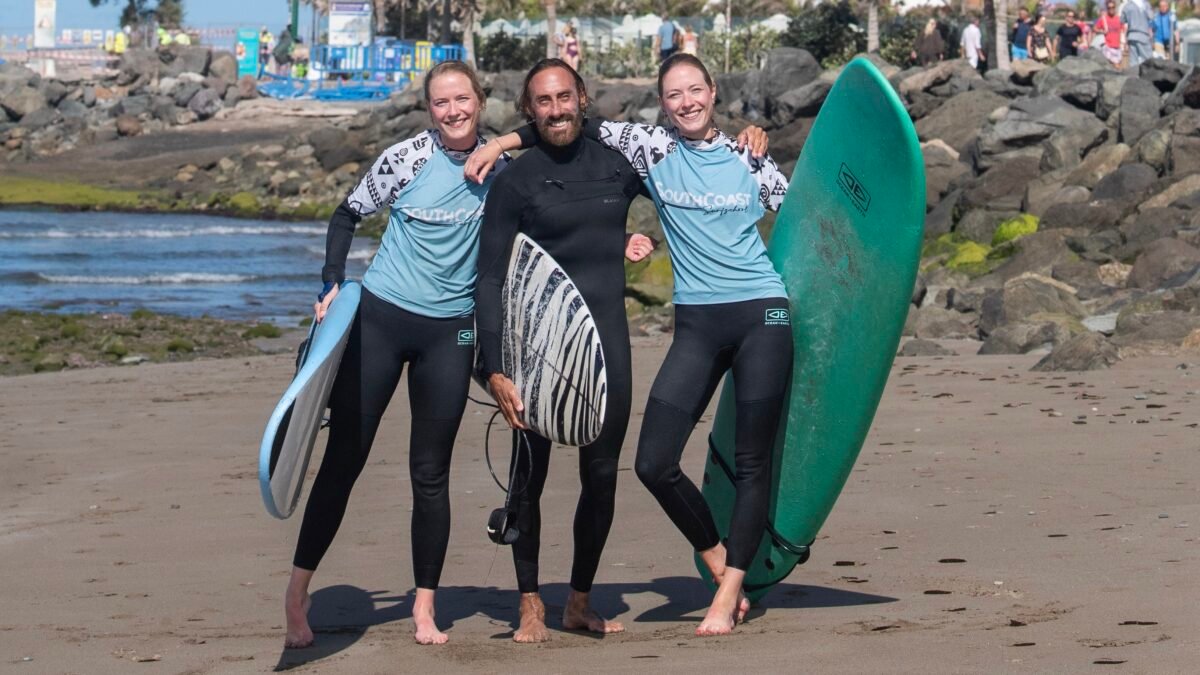
10. Learn from Experienced Instructors
Sometimes a small adjustment can completely transform your surfing.
During professional surf lessons, instructors can help you:
- During professional surf lessons, instructors can help you:
- Correct paddling mistakes
- Select better waves
- Understand ocean conditions
This often accelerates progress dramatically.
Final Thoughts
If you want to catch more waves, you don’t need to be stronger.
You need:
Better positioning
Ocean awareness
Good timing
More practice
The waves are there. The key is learning to be in the right place at the right time.