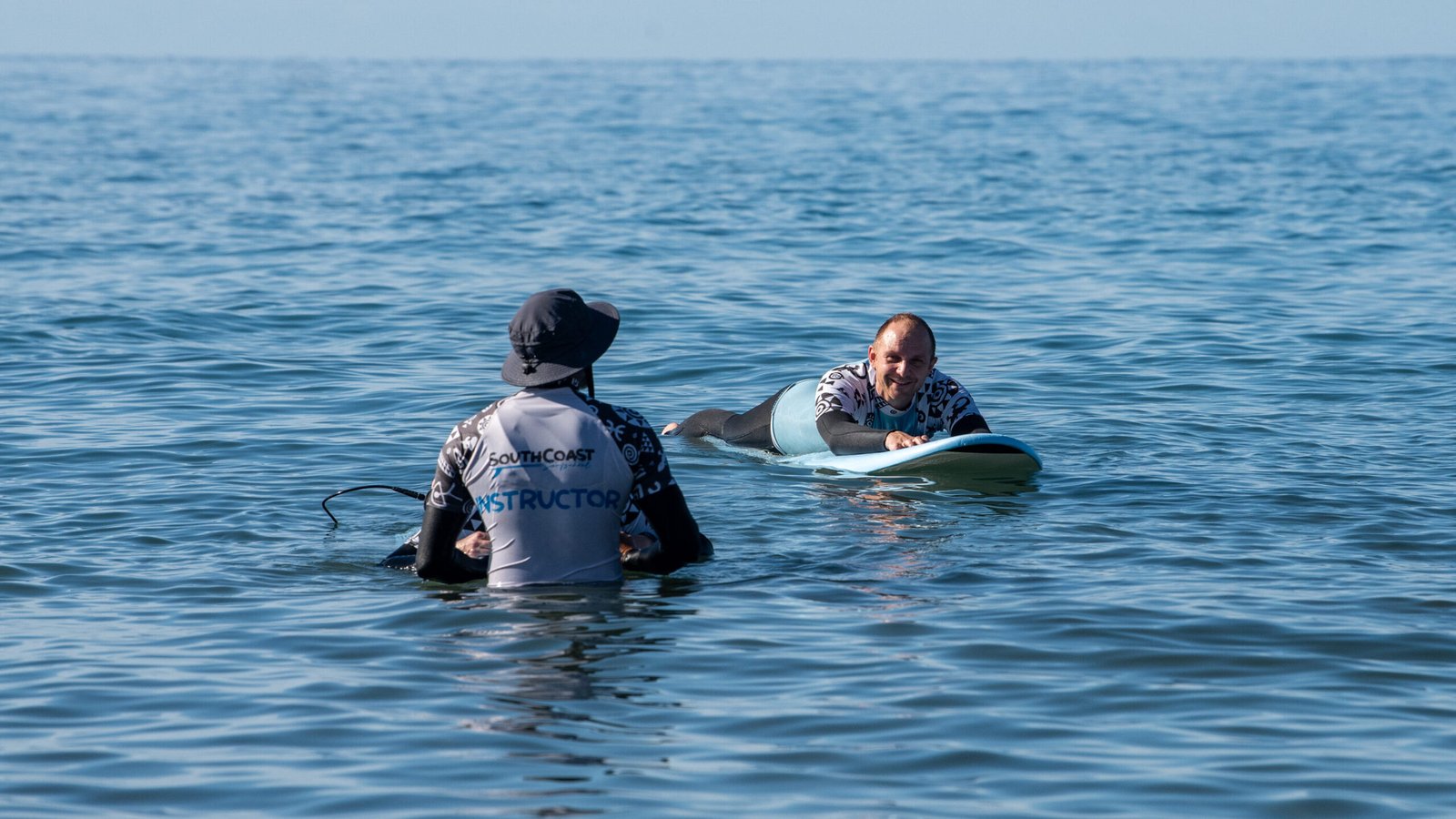

f you’re new to surfing, you probably have tons of questions: what board to choose, how long it takes to improve, what waves to start with, or how much you’ll need to invest.
You’re not alone—most beginners ask the same things when they learn to surf.
Below, we answer the five most common questions every new surfer has.
1. What kind of board should you use as a beginner?
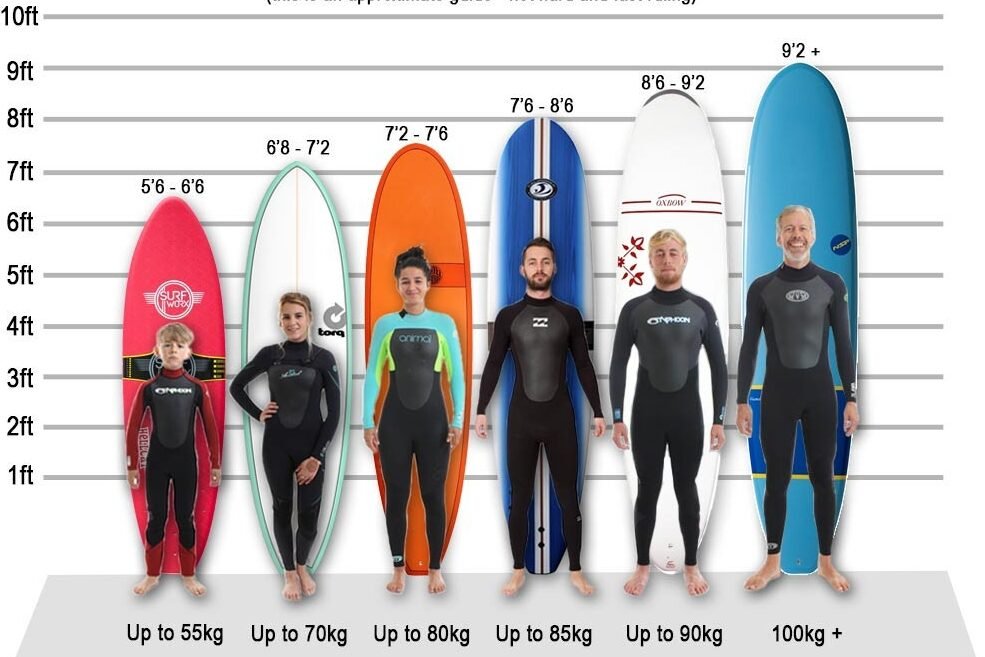
When you start to learn to surf, choosing a board with a lot of volume is essential. More volume means more stability, easier paddling, and better chances of catching waves.
That’s why foam surfboards (foamies) are perfect for beginners. A board between 8 and 9 feet usually works best.
Once you reach an intermediate level, you can move on to a funboard, but don’t rush it. Staying on a bigger board long enough will help you progress much faster.
Before buying your first surfboard, always ask an instructor or shop expert for advice—and try different boards if you can.
Avoid the temptation to buy a shortboard just because it looks cool. They don’t have enough volume for beginners and will make everything harder than it needs to be.
Stay patient, trust the process, and you’ll get there.
2. How long does it take to learn to surf?
This is probably the most common question among beginners, but there’s no single answer.
The short answer: depends
It all depends on your goals and how often you get in the water. Someone who surfs once a week will progress much faster than someone who only surfs occasionally.
Surfing has a long learning curve because it’s a complex sport where every wave is different.
You might stand up during your first lesson, but truly learning to surf is a lifelong journey.
Set realistic expectations, be consistent, and focus on having fun—every surfer started exactly where you are.
3. What size waves are good for beginners?
Choosing the right wave size is key to a safe and enjoyable start.
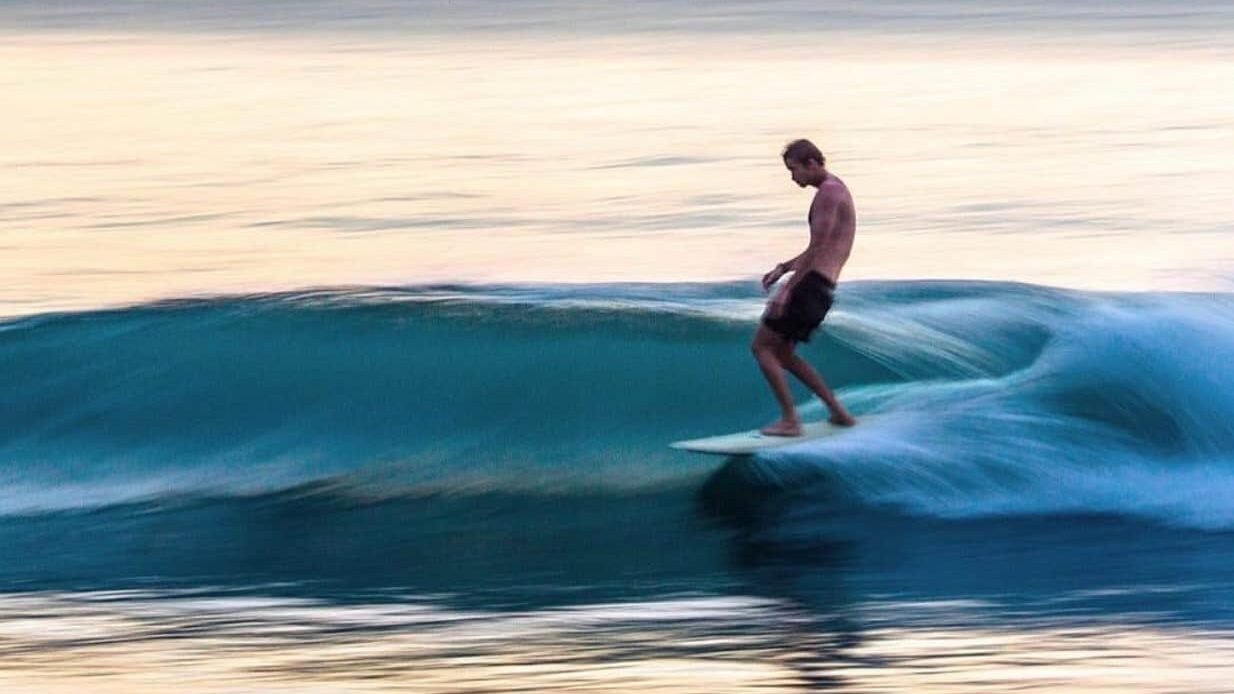
As a beginner, you should surf small, slow waves, especially in the white water.
Ideal beginner waves are:
- Knee-high to chest-high
- Roughly 1.5 to 2 feet in surf measurements
These waves will help you develop basic skills with confidence.
4. How much does surfing cost?
Surfing requires some investment upfront, as you need gear, but once you have it, the ocean is free!
Approximate costs:
- Beginner board: €300–350
- Wetsuit: €100–200 (if you’re in colder climates)
- Transportation to the beach: varies
- Surf lessons: optional but very helpful
If you’re just starting, it’s best to rent equipment or take lessons that include all the gear.
This way, you can find out if surfing is for you before spending money on your own board.
5. Where can you learn to surf?
The easiest and most effective way to learn is at a surf school.
While it’s possible to learn on your own, having an instructor helps you:
- Learn proper technique
- Understand ocean safety and forecasts
- Choose the right waves
- Progress faster
- Meet other beginners and enjoy the experience