

Choosing the right surf fins can make a big difference in your performance in the water. While many surfers focus on the board, the truth is that fins directly affect speed, control, grip, and maneuverability.
In fact, simply changing your fins can completely transform the way the same board feels when surfing.
However, there isn’t a single perfect option. To choose the right fins, you need to consider several factors, such as:
- your weight
- your surfing level
- the type of board you ride
- and, most importantly, the type of waves you usually surf
In this guide, we explain how to choose surf fins step by step and which ones work best depending on the ocean conditions.
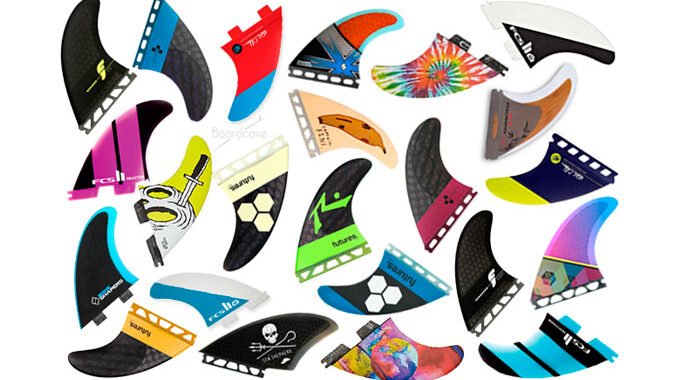
Key Factors When Choosing Surf Fins
Before looking at which fins work best in each type of wave, it’s important to understand the elements that determine their performance.
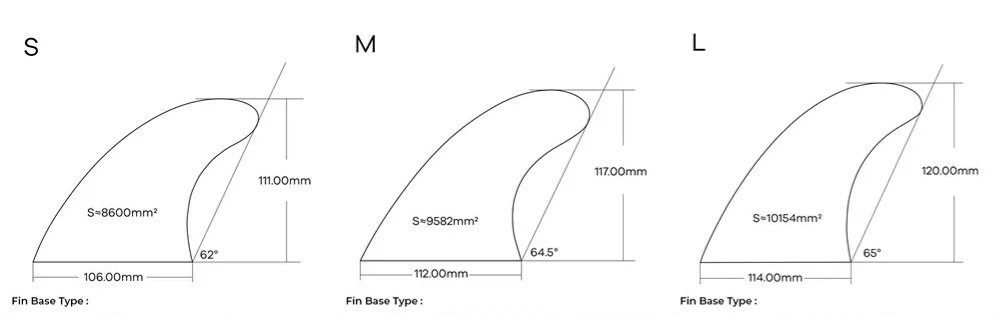
1. Fin Size
Fin size is usually chosen based on the surfer’s weight.
| Surfer Weight | Fin Size |
| Less than 65 kg | Small |
| 65 k to 80 kg | Medium |
| More than 80 kg | Large |
Larger fins provide more grip and stability, while smaller fins allow quicker and looser turns.
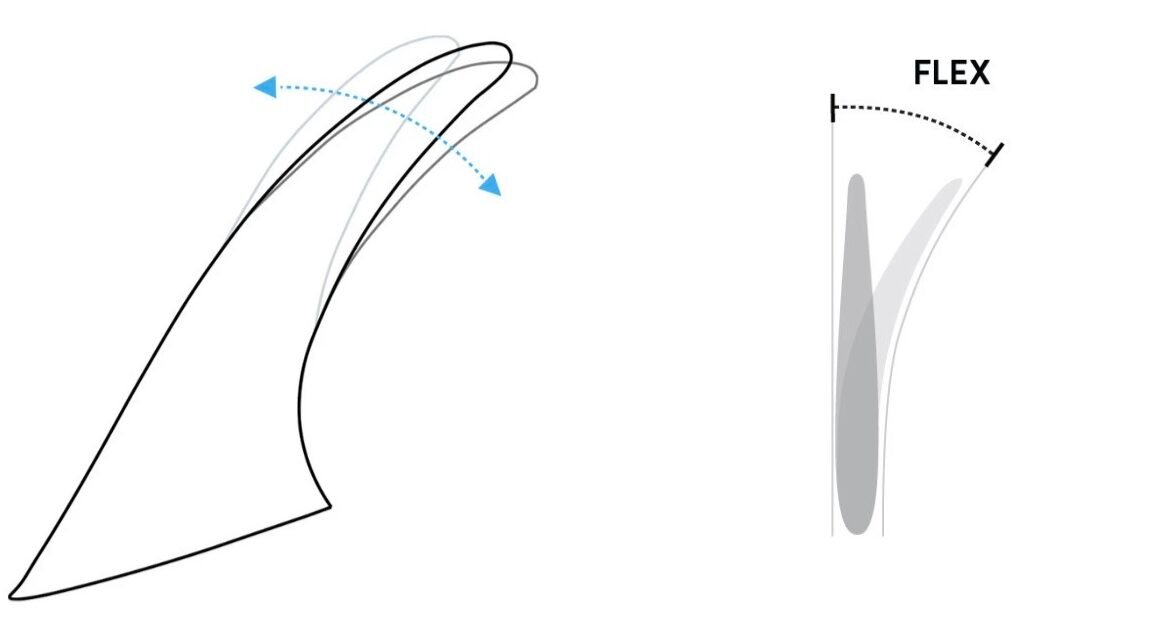
2. Flex
Flex refers to how much the fin bends during turns.
- Stiff fins: provide more control and precision in powerful waves
- Flexible fins: generate more speed and flow in small waves
For this reason, many surfers use fins with more flex when the waves are smaller.
3. Fin Area
The total area of the fin directly affects grip.
- More area: more control in strong waves.
- Less area: more speed and maneuverability
4. Fin Configuration
The fin setup also influences how the board behaves.
The most common are:
- Thruster (3 fins) – balance between control and maneuverability
- Quad (4 fins) – more speed
- Twin fin (2 fins) – loose and fast feel
- Single fin (1 fin) – classic, smooth style
Which Fins to Choose Based on Wave Type
Now that you know the basic factors, let’s see which fins work best depending on the ocean conditions.
Fins for Small Waves
When waves lack power, the main goal is to generate speed.
Therefore, it’s best to use fins that reduce drag in the water.
Recommendations
- Smaller fins
- Fins with more flex
- Twin fin or quad setup
Why they work better
These setups naturally generate more speed, which is essential when waves don’t have much power.
They also allow quick turns even in slow sections.
Fins for Medium Waves
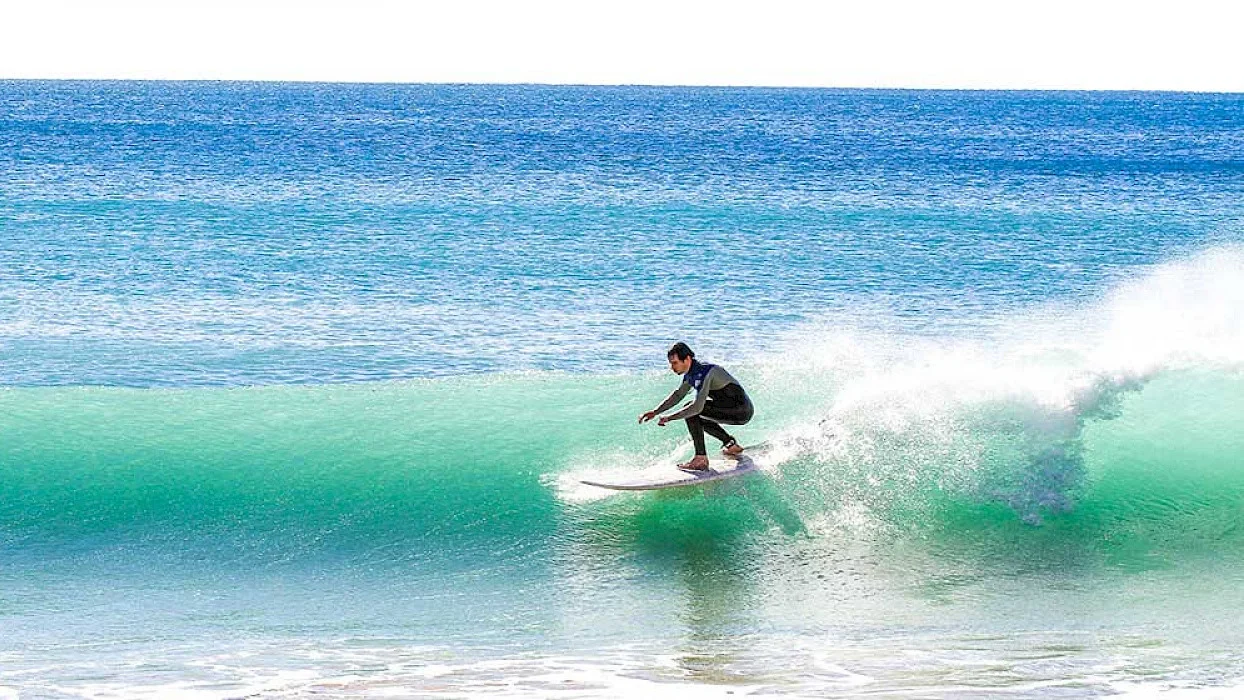
Medium waves offer a good balance between speed and power. In these conditions, the key is finding a balance between control and maneuverability.
Recommendations
- Medium size fins
- thruster setup
Advantages
The thruster setup provides:
- good grip on the wave face
- control during turns
- versatility across different sections
For this reason, it’s the most commonly used setup in modern surfing.
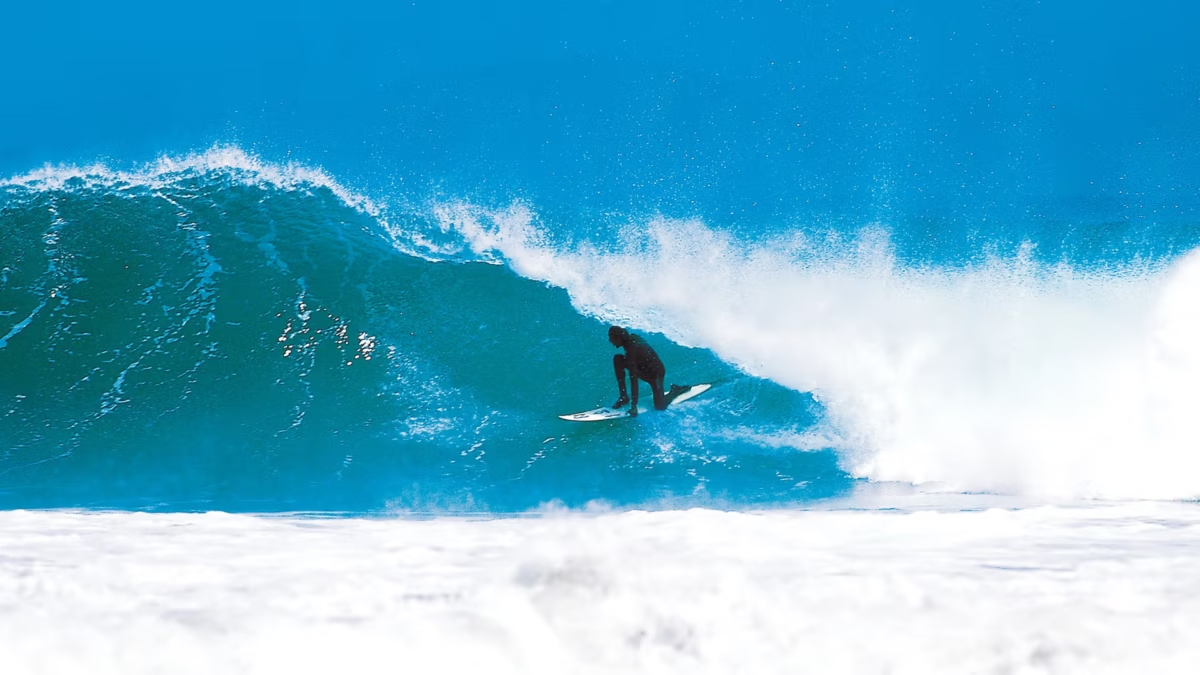
Fins for Large or Powerful Waves
When waves get bigger and stronger, control becomes essential.
In these conditions, you need fins that offer maximum grip and stability.
Recommendations
- Larger fins
- Stiffer materials
- thruster o quad configuration
Why they work better
Fins with more surface area help keep the board locked into the wave face, preventing sliding in critical sections.
They also provide greater confidence when performing powerful turns.
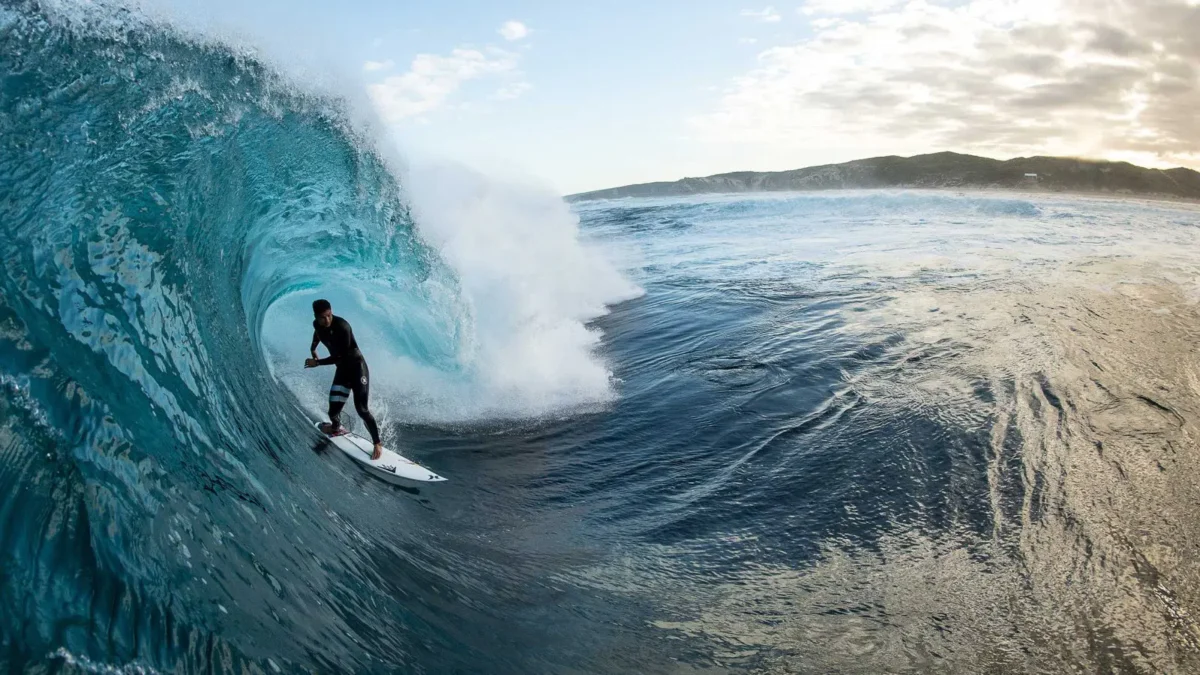
Final Tips for Choosing Surf Fins
If you’re still unsure which fins to choose, these tips can help:
1. Start with a Thruster Setup
It’s the most balanced configuration and works well in almost all conditions.
2. Try Different Setups
Changing fins is an easy way to experiment without buying a new board.
3. Use Boards with a 5-Fin Box
This allows you to switch between thruster and quad setups depending on wave conditions.
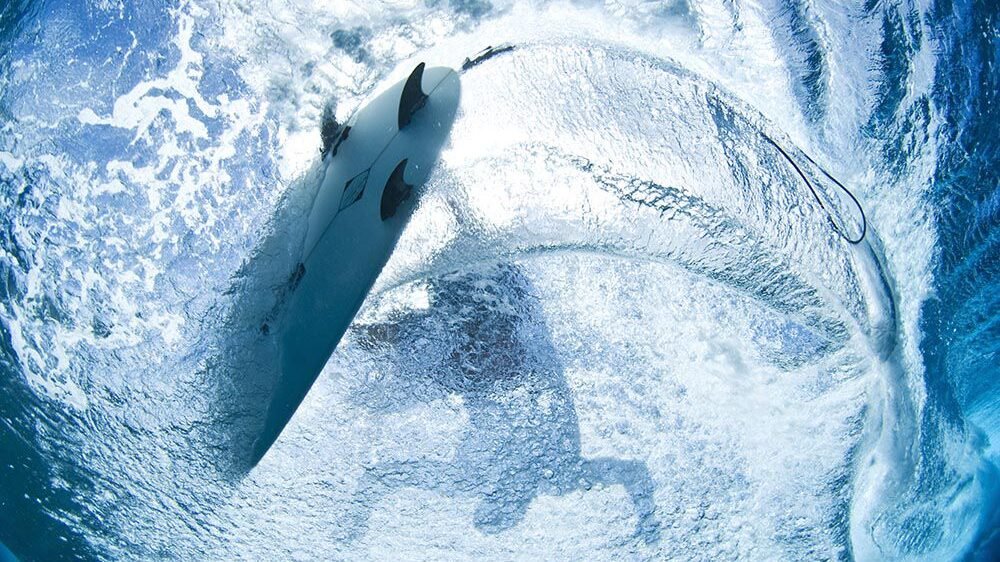
Final Thoughts
Choosing the right surf fins can significantly improve your performance in the water.
While smaller, more flexible fins work best in small waves, larger and stiffer fins provide the control needed in powerful waves.
For this reason, many surfers use different fins depending on the ocean conditions.
In the end, the best way to find your ideal setup is to test different configurations and discover which one best matches your surfing style.

Frequently Asked Questions
How do you choose the correct surf fin size?
Surf fin size is usually selected based on the surfer’s weight.
- Surfers under 65 kg usually use Small fins.
- Between 65 and 80 kg, Medium fins are the most common.
- Surfers over 80 kg typically need Large fins for greater grip and stability.
Choosing the correct size is important because it directly affects the board’s control and maneuverability.
Which fins are best for small waves?
For small waves, smaller fins with more flexibility are recommended because they help generate speed in weaker waves.
The most commonly used setups in these conditions are:
- Twin fin
- Quad
These configurations reduce water resistance and allow faster, smoother turns.
What fin setup is best for beginners?
The best setup for beginners is usually thruster (three fins).
This configuration offers an ideal balance between:
- stability, control and maneuverability
For this reason, most beginner surfboards come with a thruster setup.
Do surf fins really affect performance?
Yes, fins have a significant impact on surfboard performance.
Depending on the type of fin and setup used, the board can change in aspects such as:
- speed, stability, grip and turning ability
For this reason, many surfers experiment with different fins to find the setup that best suits their surfing style and the wave conditions