

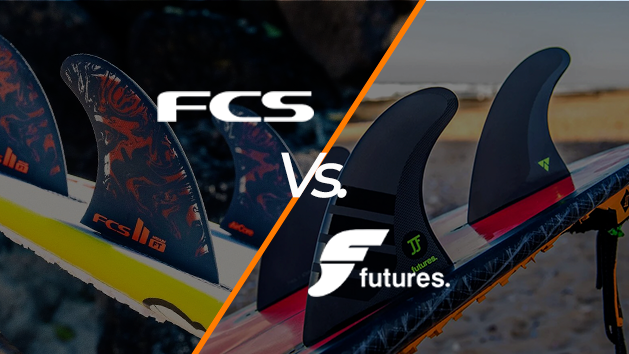
When choosing surf fins, one of the most common debates is FCS vs Futures. Both systems are widely used in modern surfing, and each has characteristics that influence a surfboard’s performance and we are going to show you the Differences between FCS and Futures fins
Although many people think the difference is minimal, the truth is that the fin system affects important aspects such as:
- stability
- energy transfer
- ease of installation
- feeling of control on the wave
For this reason, understanding the differences between FCS and Futures fins will help you choose the system that best suits your surfing style.
What Is the FCS Fin System?
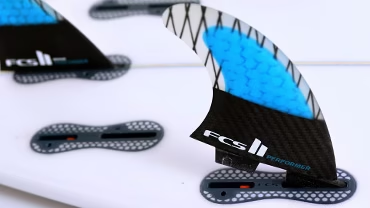
The FCS (Fin Control System) is one of the most popular systems in the surfing world. It was developed in Australia in the 1990s and quickly became a standard for many surfboard brands.
Today there are two main versions:
- FCS I
- FCS II
The newer FCS II system allows fins to be installed without screws, making it easier to swap fins quickly.
Advantages of FCS
First, it offers an enormous variety of fins, since many brands manufacture models compatible with this system.
In addition, the FCS II system allows quick fin changes, which is very useful if you want to adapt to different wave conditions.
Disadvantages of FCS
However, some surfers believe that the base of FCS fins is less solid than Futures, which may slightly affect energy transfer during very powerful turns.
What Is the Futures Fin System?
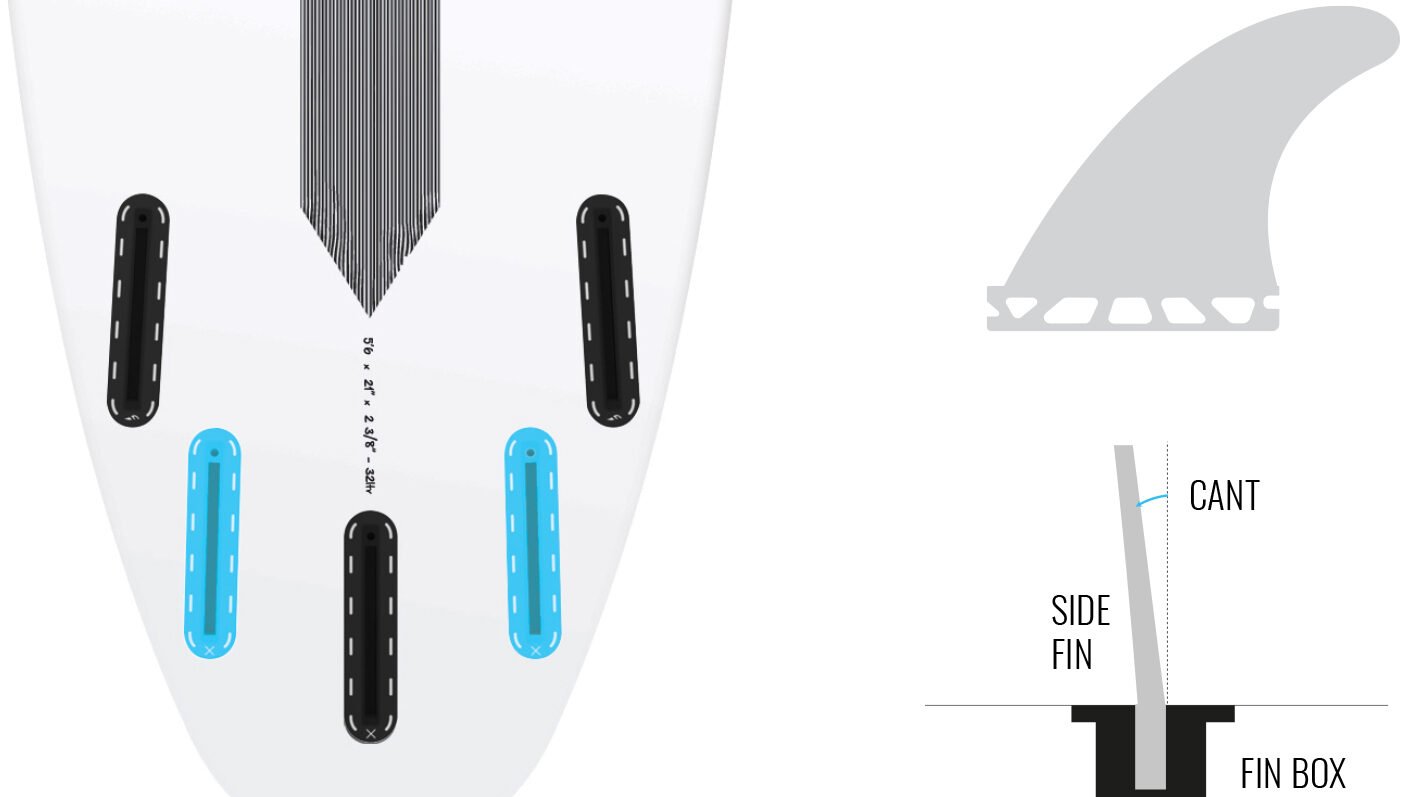
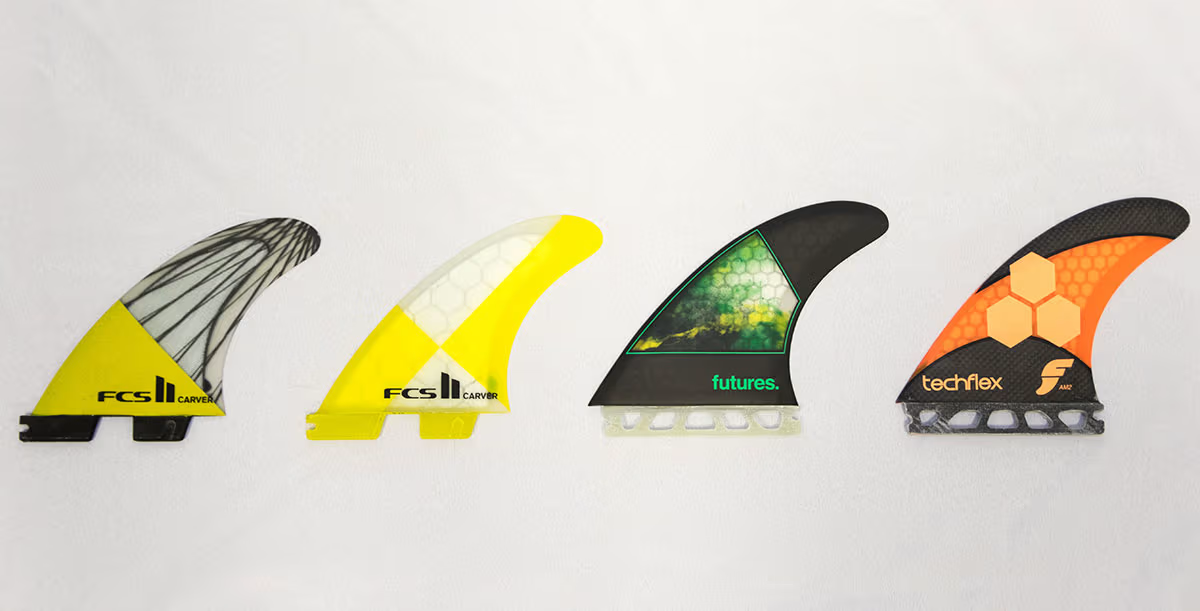
The Futures Fins system is also very popular in modern surfing and is characterized by using a single long box for each fin.
Unlike FCS, where the fin is inserted at two points, Futures uses a full base, which provides greater contact with the board.
Advantages of Futures
One of its main advantages is greater structural stability.
Thanks to its longer base, the fin transmits energy better during turns, which can create more control and power.
Disadvantages of Futures
On the other hand, installing or changing fins usually requires an Allen key, which can be less convenient than the FCS II system.
Main Differences Between FCS and Futures Fins
Although both systems work very well, there are some clear differences.
1. Installation System
- FCS II: fins can be installed without tools
- Futures: requires a screw and key
Therefore, FCS is usually faster when changing fins.
2. Fin Base
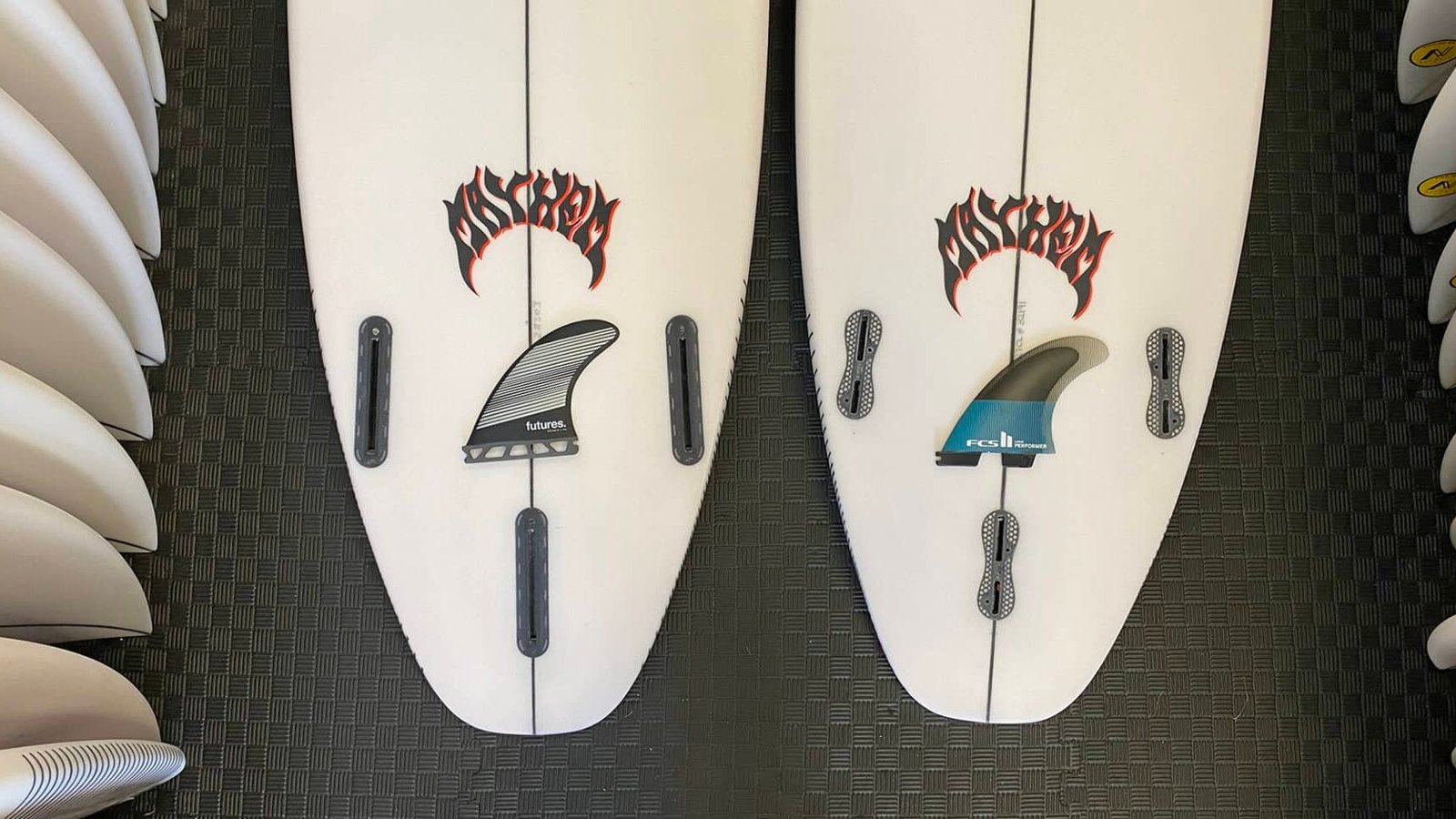
Futures fins have a longer continuous base, while FCS uses two anchor points.
This makes Futures feel slightly more solid and stable.
3. Surfing Feel
Many surfers describe the feeling like this:
- FCS: looser and more reactive
- Futures: more control and energy transfer
However, these differences can be subtle depending on the specific fins used.
Which Fin System Is Better?
In reality, there is no universally better system. Both work perfectly and are used by professional surfers.
The choice usually depends on:
- the surfboard you have
- your personal preferences
- the type of fins you want to use
Many surfers prefer FCS for its ease of swapping fins, while others choose Futures for its solid feel.
Final Thoughts
FCS and Futures fins are the two most widely used systems in modern surfing. Although they differ in design and installation, both offer excellent performance in the water.
For this reason, the best option is usually to try different fins within your board’s system and find the combination that best matches your surfing style