

If you’re starting to surf, one of the biggest questions is: What size waves are best for beginner surfers?
Because too small… and you can’t practice properly, and if
Too big… and it becomes scary and unsafe.
So How big should the waves be?
The short answer is:
The best wave size for beginners is between knee and waist high
Let’s break it down so you really understand why.
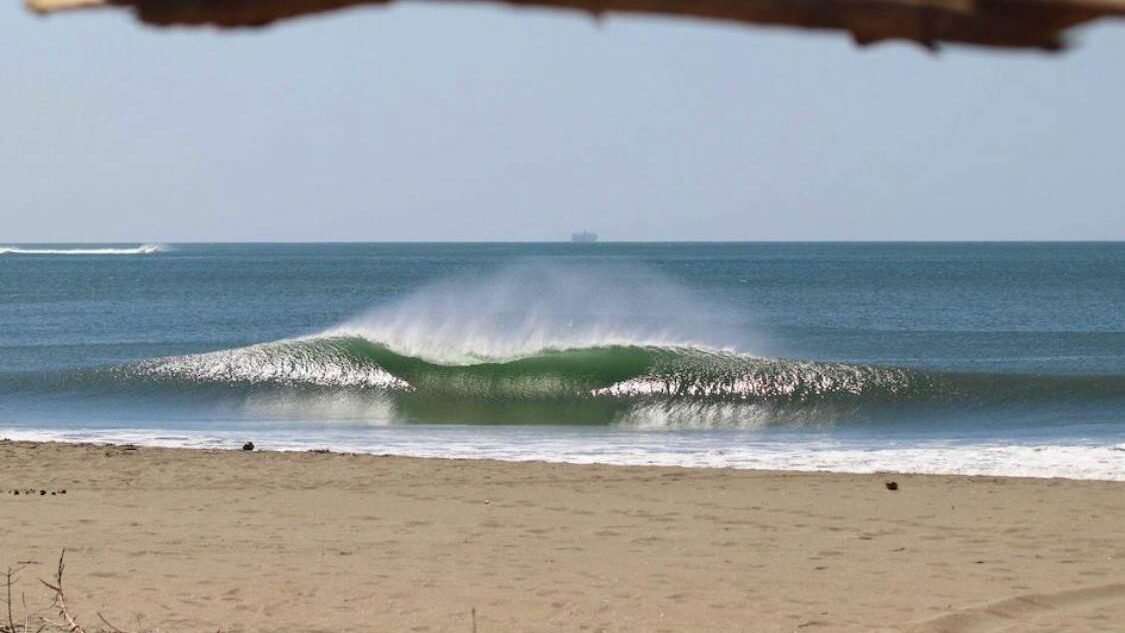
Why Wave Size Matters
Wave size affects everything:
- How easy it is to catch waves
- How safe the conditions are
- How fast you progress
👉 Bigger doesn’t mean better — especially when you’re learning.
In fact:
✔ Small, clean waves = faster progression
❌ Big waves = fear, bad habits, and slow learning
Knee-High Waves (Perfect to Start)
Knee-high waves are ideal for your first sessions.
Because they are very safe, easy to handle, and perfect for practicing take-offs
These waves help you:
- Build confidence
- Learn balance
- Understand timing
Tip: Perfect for absolute beginners
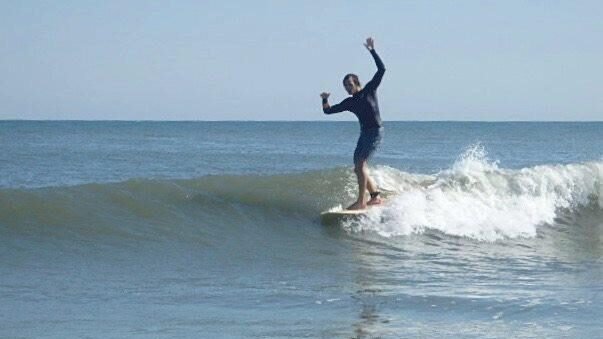
Waist-High Waves (The Sweet Spot)
This is where progression really happens.
They remain safe because they are stronger than the smaller ones and allow for longer rides
At this size, you can:
- Start turning
- Control your board
- Improve your technique
Tip: This is the ideal range for most beginners.
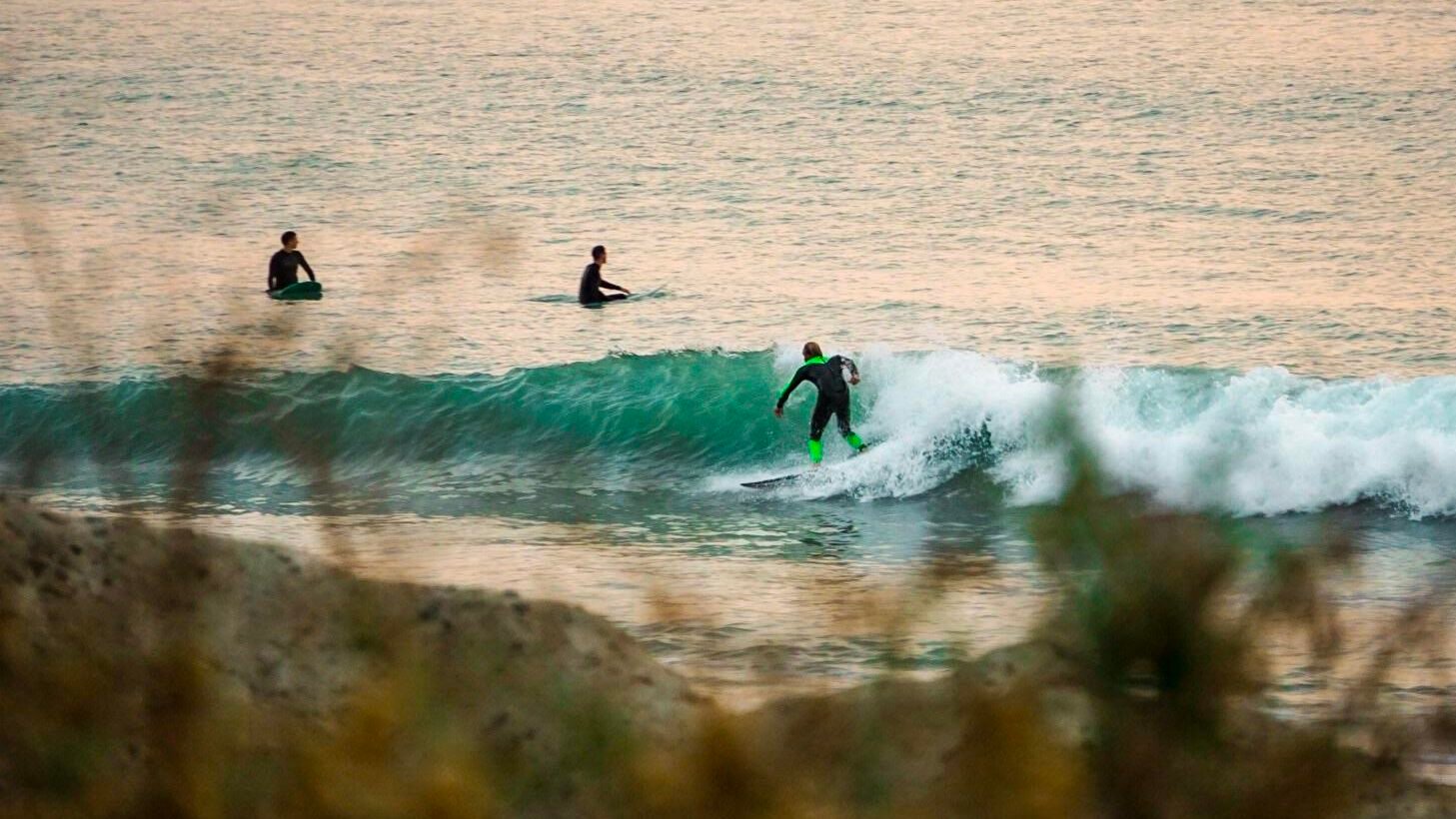
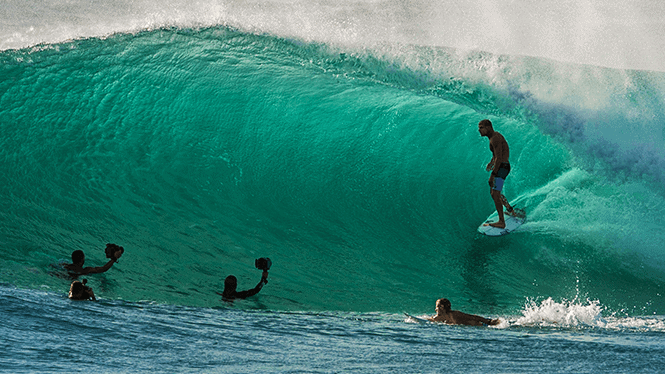
Chest-High and Bigger (Too Early for Most)
Once waves reach chest height or more:
They have more power, break faster, and are harder to control
For beginners, this usually means:
- More wipeouts
- Less waves caught
- More frustration
Tip: It’s better to wait until you have more experience.
What “Wave Size” Actually Means
This is important 👇
Wave size can be measured in different ways:
- Face height (what you see)
- Hawaiian scale (smaller measurement)
So a “1 meter wave” might look bigger than you expect.
That’s why visual reference is more useful:
- Knee = very small
- Waist = ideal
- Chest+ = more advanced
Wave Size + Conditions = Everything
Wave size alone isn’t enough.
The best conditions combine:
Small to medium waves
Light or offshore wind
Mid tide
👉 This is where you get the best learning experience.

Best Conditions in the South of Gran Canaria
For beginners, places like the south of the island often offer:
- Smaller, more manageable waves
- Sandy bottoms (safer)
- Consistent conditions
If you want to Surf Maspalomas is especially popular for learning because conditions can be adapted to your level.
Why Smaller Waves Help You Progress Faster
This is something many beginners don’t realize:
👉 You improve by catching LOTS of waves, not by surviving big waves.
Small waves allow you to:
- Practice more
- Make mistakes safely
- Build real skills
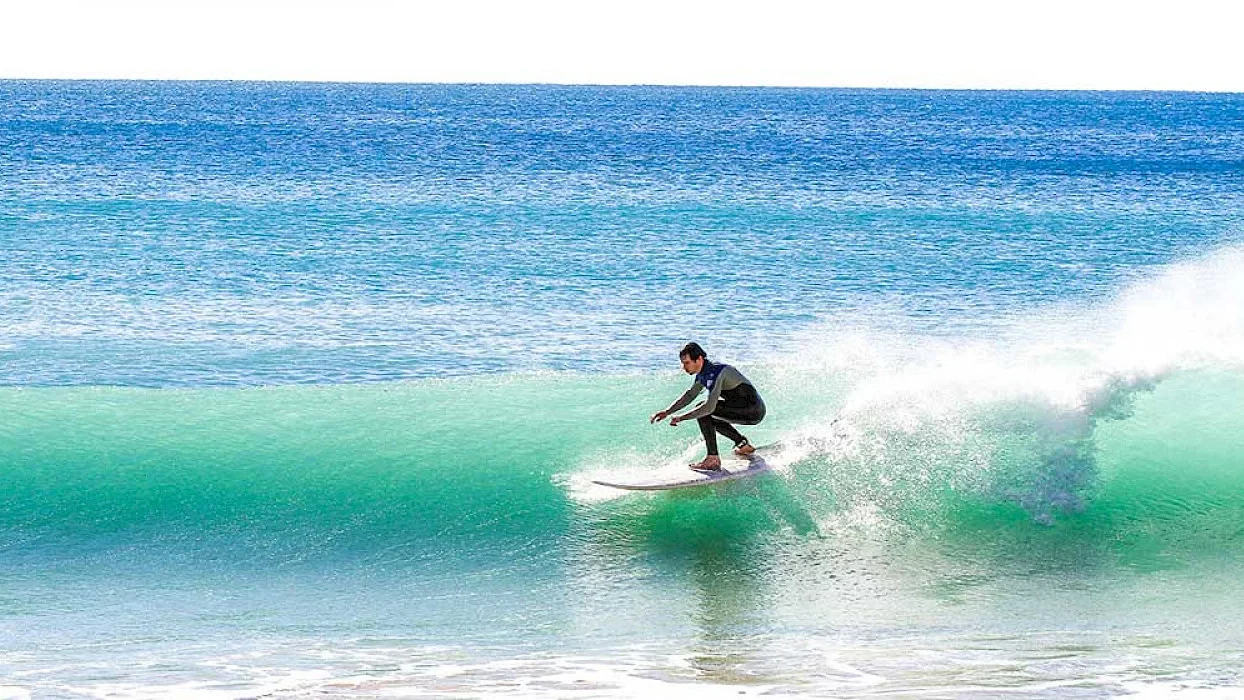
How to Choose the Right Wave Size
Before going into the water:
Check the surf report, observe the sea for a few minutes and compare the waves to your body (knee, waist, chest)
If in doubt → choose smaller
👉 The goal is to learn, not impress.
Final Thoughts
So, what wave size is best for beginner surfers?
Knee to waist high = ideal
Small waves = faster learning
Big waves = not necessary (yet)
Understanding wave size is one of the fastest ways to improve your surfing.