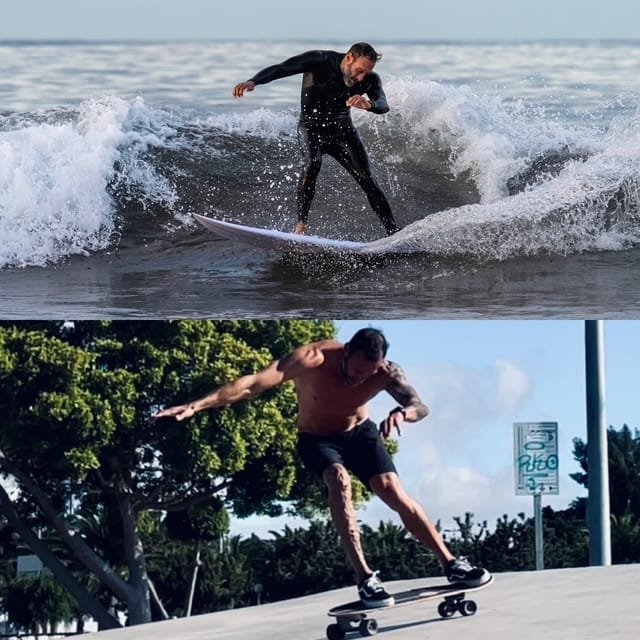
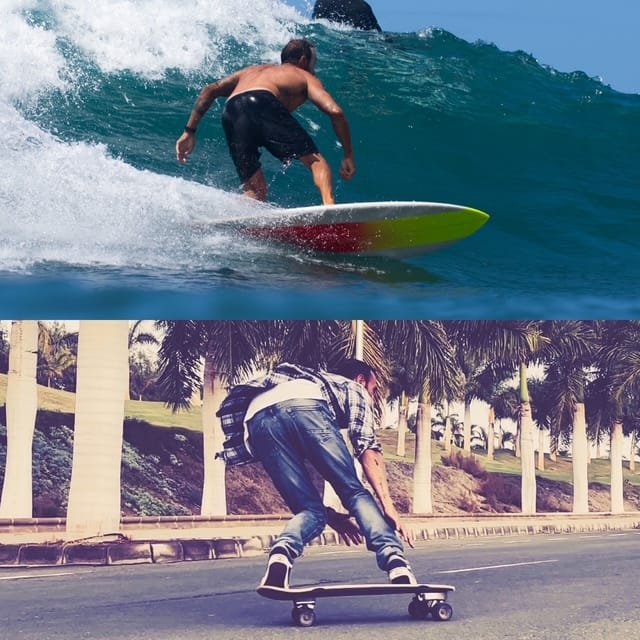
Looking to improve your surf technique even when there are no waves? The connection between surfskate and surfing is stronger than ever. Surfskating has become an essential training tool for surfers who want to refine maneuvers, improve balance, and progress faster—all outside the water.
What Is Surfskate and Why Is It So Effective for Surf Training?
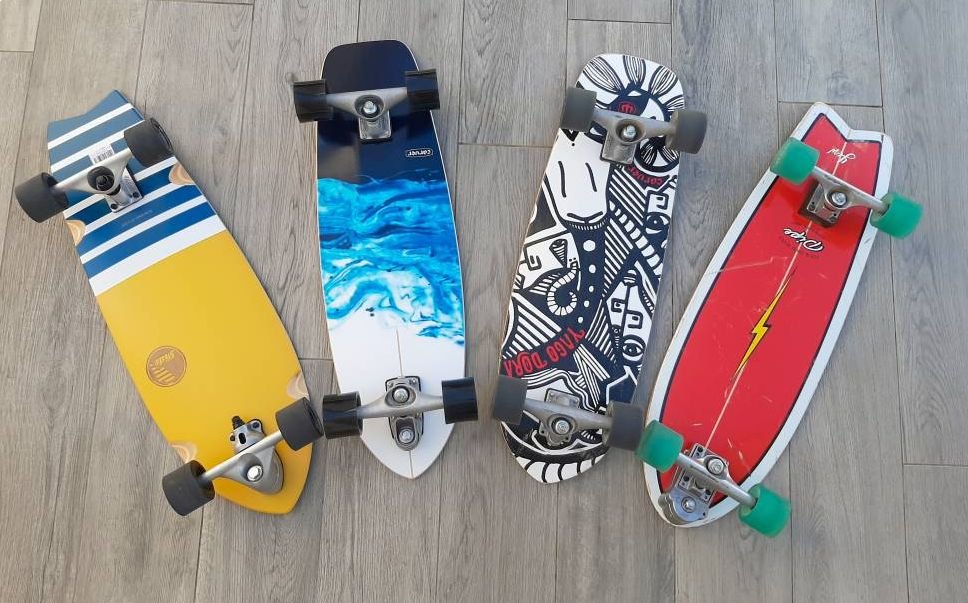
A surfskate is a type of skateboard specially designed to simulate the movements of surfing on pavement. Its unique front truck allows for deep carving and fluid turns, closely mimicking the feeling of riding a wave.
For surfers, it’s more than just a fun activity—it’s a powerful training method that helps:
✅ Build muscle memory for technical moves
✅ Practice carving, snaps, and bottom turns
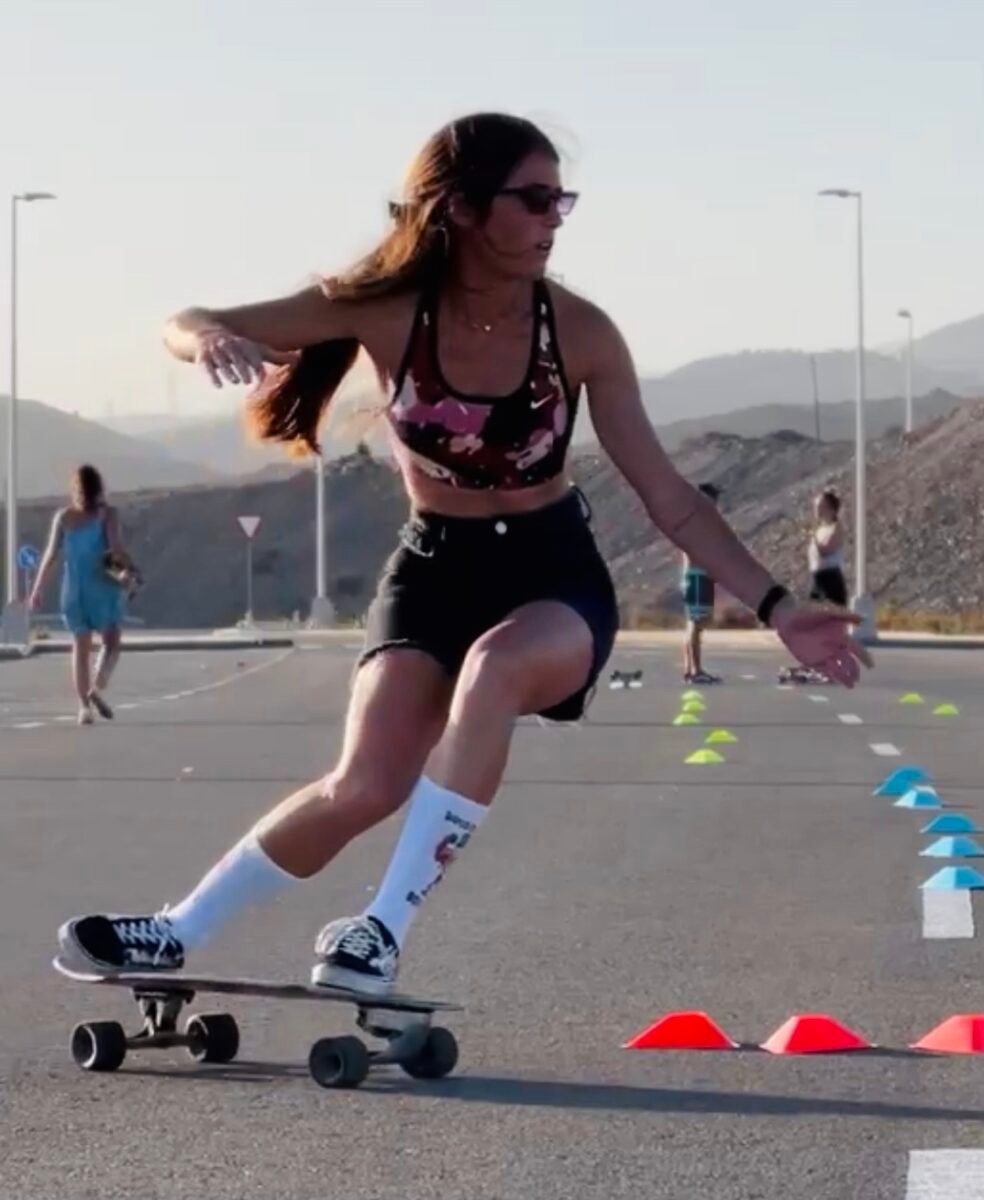
✅ Improve body coordination: gaze, arms, hips, and weight distribution
Integrating surfskate sessions into your routine can have a huge impact on your surfing. Here are the key benefits:
1. Improve Technique and Surf Posture: Surfskating allows you to repeat and refine movements like bottom turns, snaps, floaters, and cutbacks in a controlled environment, free from the unpredictability of waves.
2. Enhance Balance and Coordination: The constant need to adjust your body position trains your core stability and reflexes, which are crucial for controlling the board in real waves.
3. Full-Body and Cardio Workout: Don’t be fooled by how smooth it looks—a solid surfskate session engages legs, glutes, abs, shoulders, and back, while giving you a nice cardio boost.
4. Mental Health and Motivation: Like surfing, surfskating helps reduce stress, increase focus, and improve your mood. It’s also a great way to connect socially with other surfers and skaters.
Surfskate Works for All Levels
One of the best things about surfskating is that you don’t need to be an expert to start. Whether you’re a total beginner or already an intermediate surfer, you can adapt your training to your current skills.
“Many of my students had never tried a surfskate before. After just a few sessions, they were practicing smooth turns, perfecting body positioning, and understanding how movement flows through the body. Their surf progression was impressive.”
Tips to Get Started with Surfskate Training
Find the right spot
Start on a smooth, wide surface with a gentle slope—ideal for practicing turns without worrying about falling.
Warm up first
Use mobility and dynamic stretches to activate your body and prevent injuries.
Practice with purpose
Don’t just skate—focus on your posture, gaze, arm movement, and weight shifts. Surfskate is most effective when you train mindfully.
Record yourself
Filming your sessions helps you spot and correct mistakes and track your progress.
Conclusion: Surfskate, Your Best Ally to Improve Your Surfing
If you’re serious about progressing in surfing, surfskate is one of the most powerful tools you can use for land-based training.
It allows you to sharpen your technique, strengthen your body, and keep your stoke alive—even on flat days. And the best part? It’s fun, social, and highly addictive.
Remember: practice, practice, and more practice. The more time you put in on your surfskate, the more confident and skilled you’ll feel in the water.